Quick Answer
A sourcing agent can help when I buy products from several Chinese suppliers, but coordination becomes difficult quickly. Each factory may finish at a different time, use different packaging, or require different pickup arrangements. I reduce this pressure by comparing shipment timing, handling requirements, waiting costs, and delivery priorities before I recommend one consolidated shipment.
A sourcing agent helps with order consolidation by coordinating multiple suppliers, arranging warehouse arrivals, checking quantities and packaging, and comparing combined shipment options with split shipments. Consolidation can simplify logistics and may reduce some transport costs[2], but the best choice depends on supplier timing, shipment volume, warehouse fees, handling charges, waiting time, and the buyer’s delivery deadline.

Many buyers first view consolidation as a simple freight-saving method. I see it as a broader procurement decision. The shipment must arrive at the right place, in the right condition, within the right window, and at an acceptable total landed cost. The sections below explain where a sourcing agent adds practical value and when consolidation may not be the best answer.
How Does a Sourcing Agent Help with Order Consolidation?
Managing several suppliers without local support can create small problems that become expensive delays. One factory may finish early while another needs more production time. A sourcing agent helps me track those differences, coordinate warehouse arrivals, and compare waiting with shipping available goods separately.
A sourcing agent supports order consolidation by collecting supplier schedules, arranging pickups, checking incoming goods, organizing warehouse handling, confirming carton information, and presenting waiting or split-shipment options. The agent coordinates the process, but the carrier, freight forwarder, and customs broker remain responsible for their own logistics and clearance functions.
What Does Order Consolidation Actually Involve?
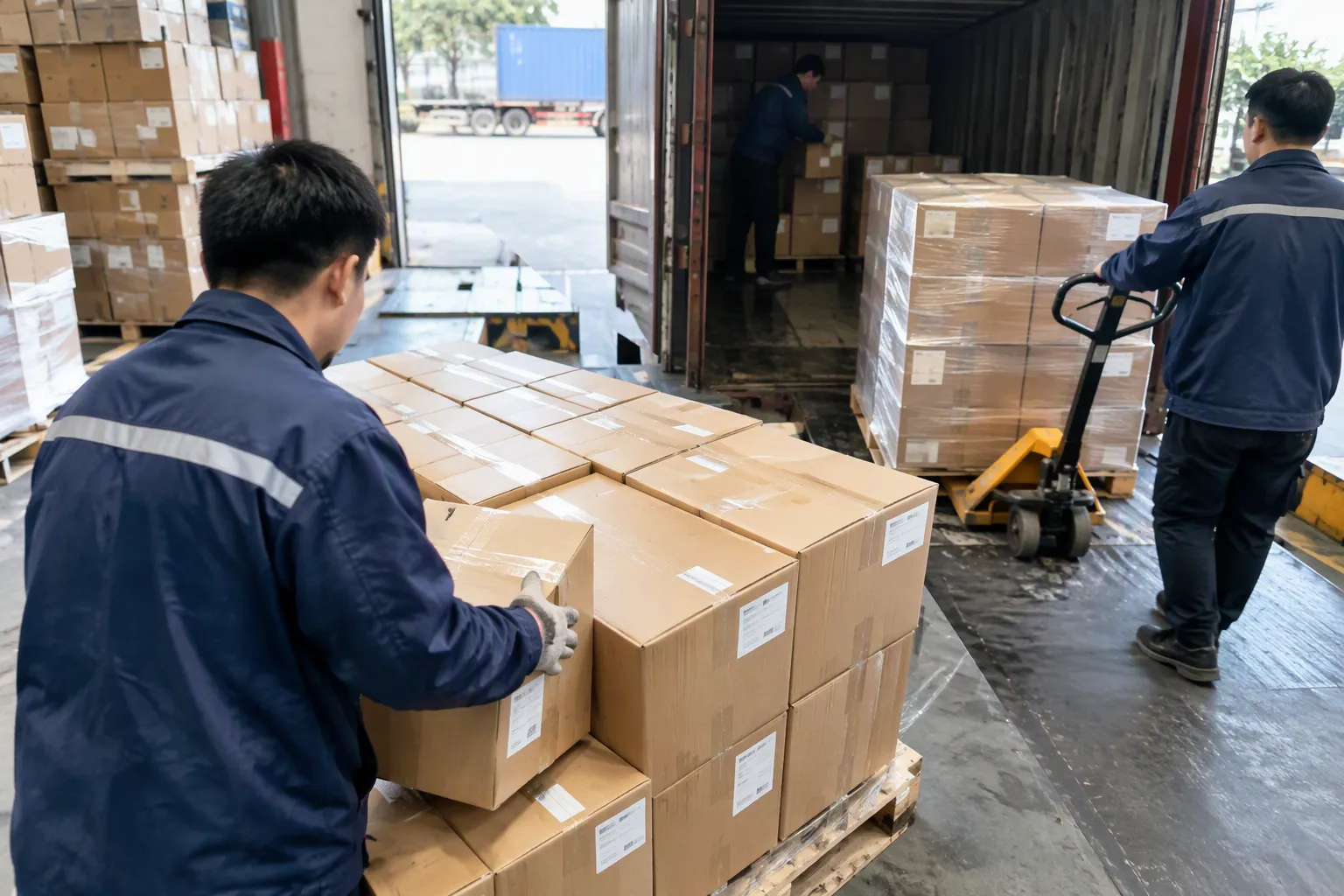
Order consolidation means bringing products from two or more suppliers together before arranging a larger shipment.[1] The goods may come from different factories, cities, or purchasing orders. I may coordinate delivery to one warehouse, where the cartons are received, counted, checked, labeled, and prepared for onward transport.
The process can include:
-
Supplier schedule collection
I ask each supplier when production will finish, when goods will be ready for pickup, and whether the date is firm or provisional. -
Pickup planning
I coordinate domestic transport from each factory to the selected warehouse or freight-handling location. -
Receiving and identification
I match cartons against purchase orders, packing lists, SKU details, and supplier information. -
Basic quantity and condition checks
I check visible carton condition and confirm that the received quantity appears consistent with the supplier’s documents. I arrange more detailed inspection when the product or order requires it. -
Warehouse handling
I organize unloading, sorting, palletizing, relabeling, repacking, or other agreed services. -
Shipment comparison
I compare the cost and timing of one combined shipment with separate or staged shipments. -
Forwarding coordination
I share the consolidated cargo information with the buyer’s selected logistics provider or help coordinate an appropriate shipping arrangement.
I do not treat “all goods are in one warehouse” as proof that the process is optimized. The warehouse may add storage, handling, domestic transport, and management costs.[3] It may also create a delay if one late supplier holds up an otherwise ready order.
When Does Consolidation Make Operational Sense?
I usually consider consolidation more practical when several conditions exist at the same time:
- The buyer has multiple suppliers in nearby manufacturing areas.
- The combined cargo is large enough to justify additional handling.
- The products have compatible packaging and shipping requirements.
- The suppliers can finish within a reasonable shipping window.
- The buyer can accept the time needed to collect all goods.
- The warehouse and handling charges are transparent.
- The combined shipment provides a useful logistics or administrative advantage.
The number of suppliers matters, but it does not provide a complete answer. Consolidating goods from three factories may be straightforward if they finish within two days. Consolidating goods from two factories may be inconvenient if one factory finishes several weeks later or requires special handling.
I also look at product readiness. If the goods are already packed and ready for pickup, consolidation planning can begin with more confidence. If production dates are still changing, I use a provisional plan and keep a second option available.
Why Do Supplier Completion Dates Matter?
Supplier timing often determines whether consolidation works well. In my experience coordinating multi-supplier orders, factories do not always complete production on the same day. Some suppliers finish early, while another supplier needs additional time for production, packaging, correction, or final inspection.
At that point, I normally compare two choices.
| Option | Potential benefit | Potential risk |
|---|---|---|
| Wait for all suppliers | One combined shipment and one main dispatch | Storage, waiting, or missed delivery-window costs |
| Ship ready goods first | Earlier access to completed products | More freight, documentation, handling, or receiving work |
| Partial consolidation | A balance between timing and cost | More complicated planning and cost comparison |
| Delay all goods | May align with a future shipping plan | May create avoidable inventory or customer delays |
I do not recommend waiting automatically. I first ask how important the delivery date is, how much cargo is ready, what the warehouse will charge, and whether the late supplier is likely to meet the revised date.
A buyer selling seasonal products may prefer a split shipment because missing the sales window can cost more than additional freight.[4] Another buyer replenishing stable inventory may prefer to wait if the extra storage cost remains reasonable.
How Does a Sourcing Agent Compare Waiting with Split Shipping?
I build the comparison around total landed cost rather than only the international freight quotation.[5] A basic review may include:
- Factory-to-warehouse transport for each supplier
- Warehouse receiving and unloading
- Storage by carton, pallet, cubic meter, or day
- Sorting, counting, relabeling, or repacking
- Consolidation labor
- Export documentation and handling
- International freight
- Insurance, where applicable
- Destination delivery
- Customs-related charges handled by the relevant logistics provider
- Cost of delayed inventory or missed sales
- Additional communication and administration
The exact calculation depends on the destination, shipping method, cargo type, Incoterms, shipment dimensions, and service provider.[6] I avoid presenting a general percentage saving because the result can change substantially between orders.
A Simple Cost Comparison
I may use a table like the following when discussing options with a buyer:
| Cost area | Combined shipment | Split shipment |
|---|---|---|
| Supplier pickups | Add all supplier pickups | Add pickups for each dispatch |
| Warehouse handling | Usually higher per combined operation | May repeat for each batch |
| Storage | May increase while waiting | May be lower for ready goods |
| International freight | One quoted shipment | Two or more quoted shipments |
| Delivery timing | Depends on the last supplier | Ready goods may move earlier |
| Coordination | One main dispatch | Several dispatches and documents |
| Inventory risk | Late supplier can hold the order | Less dependence on one supplier |
I use actual quotations and confirmed schedules wherever possible. I also ask whether the quoted freight includes origin charges, fuel adjustments, documentation, terminal charges, destination delivery, or other items. Buyers should verify these details with the selected freight forwarder or carrier.
What Checks Should Happen Before Consolidation?

I do not send cartons directly into a consolidated shipment without checking the basic information. A short receiving checklist can prevent larger problems later.
I normally confirm:
- Supplier name and purchase order number
- SKU, model, color, and quantity
- Carton count and carton numbering
- Carton dimensions and gross weight
- Product and packaging condition
- Shipping marks and labeling requirements
- Whether the goods are ready for export
- Whether the products have special transport requirements
- Whether separate products can be packed together safely
- Whether the buyer needs a final inspection before dispatch
A warehouse receiving check is not automatically a complete product quality inspection. If the buyer needs function testing, appearance inspection, accessory verification, or one-by-one checking, I arrange that as a separate quality-control activity.
This distinction matters because consolidation can hide supplier-level problems. If different products are mixed together without clear records, it becomes harder to identify which factory caused a shortage, damaged carton, incorrect label, or packaging mismatch.
How Can Consolidation Affect Quality Control?
Consolidation creates an additional control point between production and export. I can use that point to identify visible discrepancies before dispatch. For example, I may find that one supplier delivered fewer cartons than stated, used the wrong shipping marks, or packed accessories separately from the main units.
I treat these checks as procurement controls, not as a replacement for professional inspection or product testing. Application-specific products may require qualified technical evaluation, laboratory testing, or destination-market compliance review. Buyers should verify any certificates, test reports, declarations, and regulatory documents directly with the appropriate parties.
I find that a practical consolidation record should include:
- The original supplier packing list.
- The warehouse receiving record.
- Photographs of cartons and marks.
- Any discrepancy report.
- The final consolidated packing list.
- The freight quotation and included charges.
- Approval of the chosen shipping plan.
This paperwork helps the buyer understand what happened between factory dispatch and international shipment. It also makes future supplier evaluation easier.
What Happens When One Supplier Finishes Late?
A late supplier does not always create a major problem, but I need to identify the effect quickly. I ask the supplier for a realistic completion date, the reason for the delay, the remaining production quantity, and the earliest possible pickup date. I also check whether the delay affects inspection, packaging, export paperwork, or the buyer’s required delivery date.
I then present practical choices instead of giving a vague status update:
- Wait for the late supplier and consolidate everything.
- Ship the ready goods while the late order follows.
- Consolidate the ready goods with another shipment.
- Ask the late supplier to complete a partial quantity.
- Change the shipping method for urgent goods.
- Hold the entire order only if the financial and delivery logic supports it.
I explain the trade-off clearly. Waiting may reduce duplicate freight movements, but it can increase warehouse charges and delay inventory availability. Splitting the shipment may protect the delivery window, but it may also increase freight and documentation costs.
I have seen this decision become easier when the buyer sets priorities in advance. For example, a buyer may instruct me to prioritize launch-date products, while non-urgent replenishment stock can wait. That instruction gives me a clear basis for comparing options.
How Does a Sourcing Agent Coordinate Suppliers?
A sourcing agent can provide a local communication point across factories, but coordination only works when the information is specific. I do not rely on general statements such as “the goods will be ready soon.” I request dates, quantities, carton details, and action owners.
My coordination process may include:
- A shared production status sheet
- Confirmed target completion dates
- Follow-up before the target date
- Pickup booking after goods are confirmed ready
- Warehouse arrival notifications
- Updated carton and weight information
- Escalation when a date changes
- Buyer approval before a material shipping change
I also separate confirmed facts from estimates. A supplier’s production plan is not the same as a confirmed ready date. A provisional warehouse arrival is not the same as cargo acceptance. Clear language helps the buyer make a better decision.
What Are the Limits of a Sourcing Agent’s Role?
I coordinate procurement activities, but I do not replace every specialist involved in international shipping. The carrier or freight forwarder controls the transport service.[7] The customs broker handles customs processes within the agreed scope.[8] The importer remains responsible for providing accurate product information and meeting its own import obligations.
I can help prepare information and coordinate communication, but the buyer should verify:
- The applicable shipping terms
- The freight quotation
- The customs entry requirements
- Product-specific import restrictions
- Destination labeling and documentation rules
- Insurance arrangements
- Any required testing or compliance documents
I also recommend that buyers use qualified professionals for application-specific decisions. A sourcing agent can identify questions and organize records, but technical, legal, customs, and regulatory decisions may require specialized advice.
Frequently Asked Questions
Is order consolidation always cheaper?
No. Consolidation may reduce some repeated transport or administration costs, but storage, warehouse handling, domestic delivery, waiting time, and extra coordination can offset those benefits. I compare the complete cost of consolidation with the cost and timing of split shipments before making a recommendation.
How many suppliers make consolidation worthwhile?

There is no universal minimum number. I consider the supplier locations, cargo volume, product readiness, shipment method, warehouse fees, and delivery deadline. Two suppliers may justify consolidation when their goods are ready close together, while several suppliers may not be suitable if their completion dates are widely separated.
Should I wait for a late supplier before shipping?
I make that decision based on the delivery window and total cost. Waiting may simplify the shipment, but it can delay ready inventory. Shipping available goods separately may protect sales timing, although it can increase freight and handling costs. I ask the buyer to compare both options using current supplier and logistics information.
Can a sourcing agent inspect goods during consolidation?
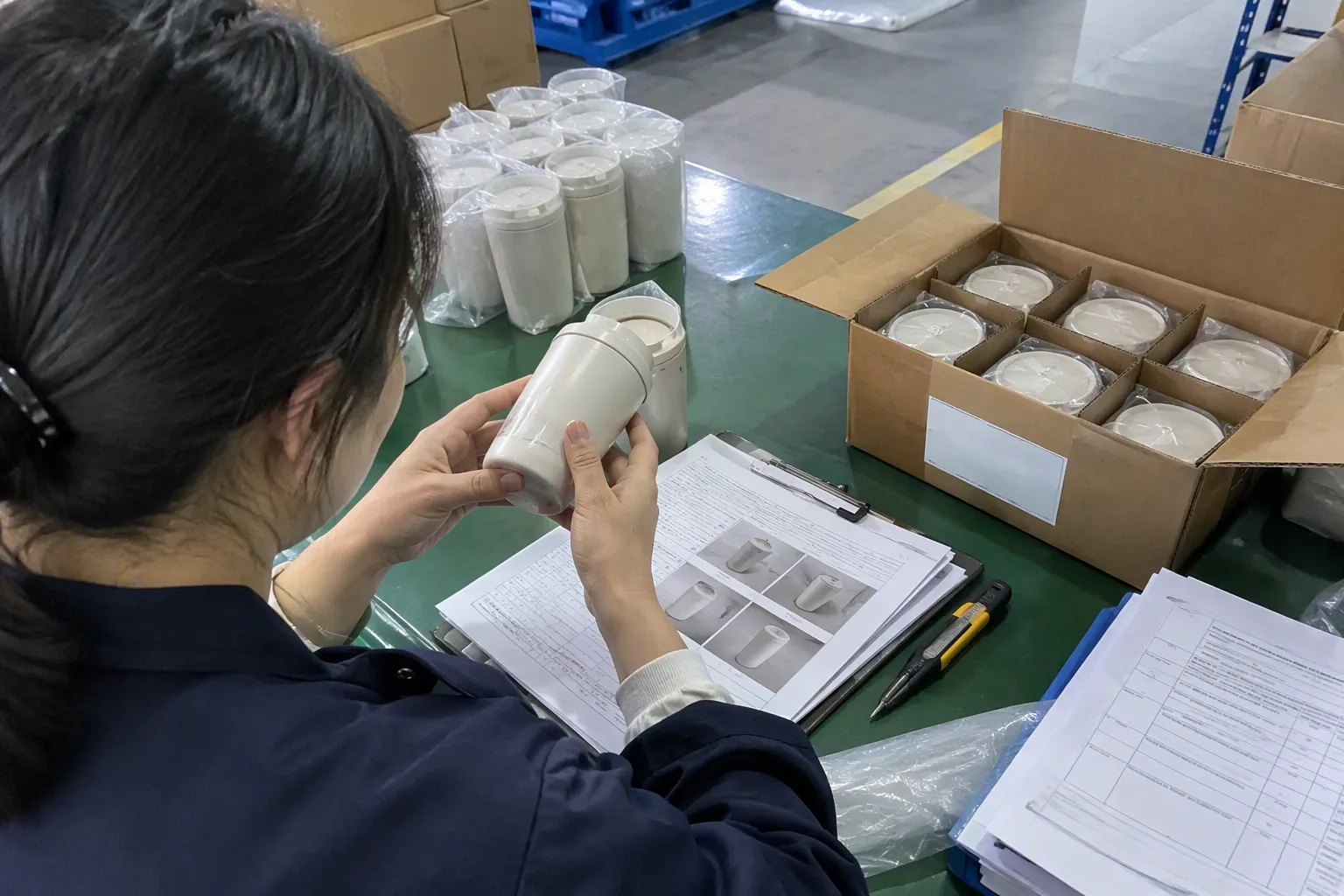
A sourcing agent can arrange receiving checks, quantity verification, carton checks, photographs, and more detailed quality inspections. However, warehouse receiving is not automatically a full product inspection. I recommend defining the inspection scope before production and using qualified professionals for technical or compliance-related evaluation.
Does a sourcing agent handle customs clearance?
A sourcing agent may coordinate information with the buyer’s freight forwarder or customs broker, but the agent does not automatically replace those specialists. I advise buyers to confirm the responsible party for classification, customs entry, duties, taxes, documentation, and destination-country requirements.
Conclusion
A sourcing agent helps with order consolidation by coordinating suppliers, tracking completion dates, arranging warehouse arrivals, checking shipment information, and comparing combined and split-shipment options. Consolidation can improve control, but it does not automatically reduce cost or speed delivery. I evaluate supplier count, cargo volume, readiness, storage, handling, waiting time, and the buyer’s shipping window before recommending a plan. If I manage several China suppliers and need a clear procurement comparison, I can contact KingSourcing to discuss supplier coordination, quality checks, consolidation, and shipping support.
Reduce Shipping Cost With Order Consolidation
If you're importing from multiple suppliers, consolidating orders in China can cut freight and handling costs. Our team handles warehousing and order consolidation. See how consolidation works or request a quote.
Related reading: China Sourcing Agent for Low MOQ Orders: What to Expect
Sources
- Freight consolidation: shipment grouping to facilitate ...", A standard logistics definition describes shipment consolidation as combining compatible consignments from multiple origins or shippers before onward transportation
- Study the Impacts of Freight Consolidation and Truck Sharing ...", Research on freight consolidation indicates that combining compatible shipments can improve transport utilization and reduce certain transportation costs when shipment volume, timing, and routing are favorable
- Logistics Costs and U.S. Gross Domestic Product", Logistics-cost frameworks generally treat storage, material handling, inbound transport, and warehouse administration as distinct cost components that may arise when cargo is held for consolidation
- The Price of Delays: Supply Chain Disruptions and ...", Studies of seasonal inventory systems show that late product availability can cause stockout-related lost sales or other timing costs, which may exceed an incremental transportation expense in some settings
- Total Landed Cost Model - DSpace@MIT", Procurement and trade-cost references define total landed cost as the product acquisition cost together with the transportation, insurance, duties, handling, and other charges required to place the goods at the intended destination
- Know Your Incoterms", International trade guidance explains that delivery terms allocate specified transport, insurance, export, import, and handling responsibilities, while the route, mode, cargo characteristics, and provider determine the remaining logistics charges
- Freight forwarder guidance and best practices", Transport guidance distinguishes the carrier that performs or assumes responsibility for carriage from a freight forwarder that arranges transportation and related logistics services under the applicable contract
- Customs Broker Frequently Asked Questions", Customs authorities describe brokers as authorized intermediaries that prepare or submit customs information and conduct specified clearance activities on behalf of importers, subject to the granted authority and national law