 Skip to content

Quick Answer
Custom packaging often begins with a design file, but I have found that a design file rarely answers every production question. When materials, dimensions, printing, protection, and shipping needs remain unclear, small misunderstandings can become expensive rework. A sourcing agent helps by turning the concept into a workable brief, checking suppliers, and comparing the real cost and risk.
A sourcing agent helps with custom packaging by translating a brand’s requirements into production specifications, identifying suitable packaging suppliers, comparing quotations beyond the unit price, and coordinating samples, production, inspection, and delivery.[1] The agent also helps reduce communication gaps, hidden costs, material substitutions, quantity errors, and packaging that does not protect the product during shipping.
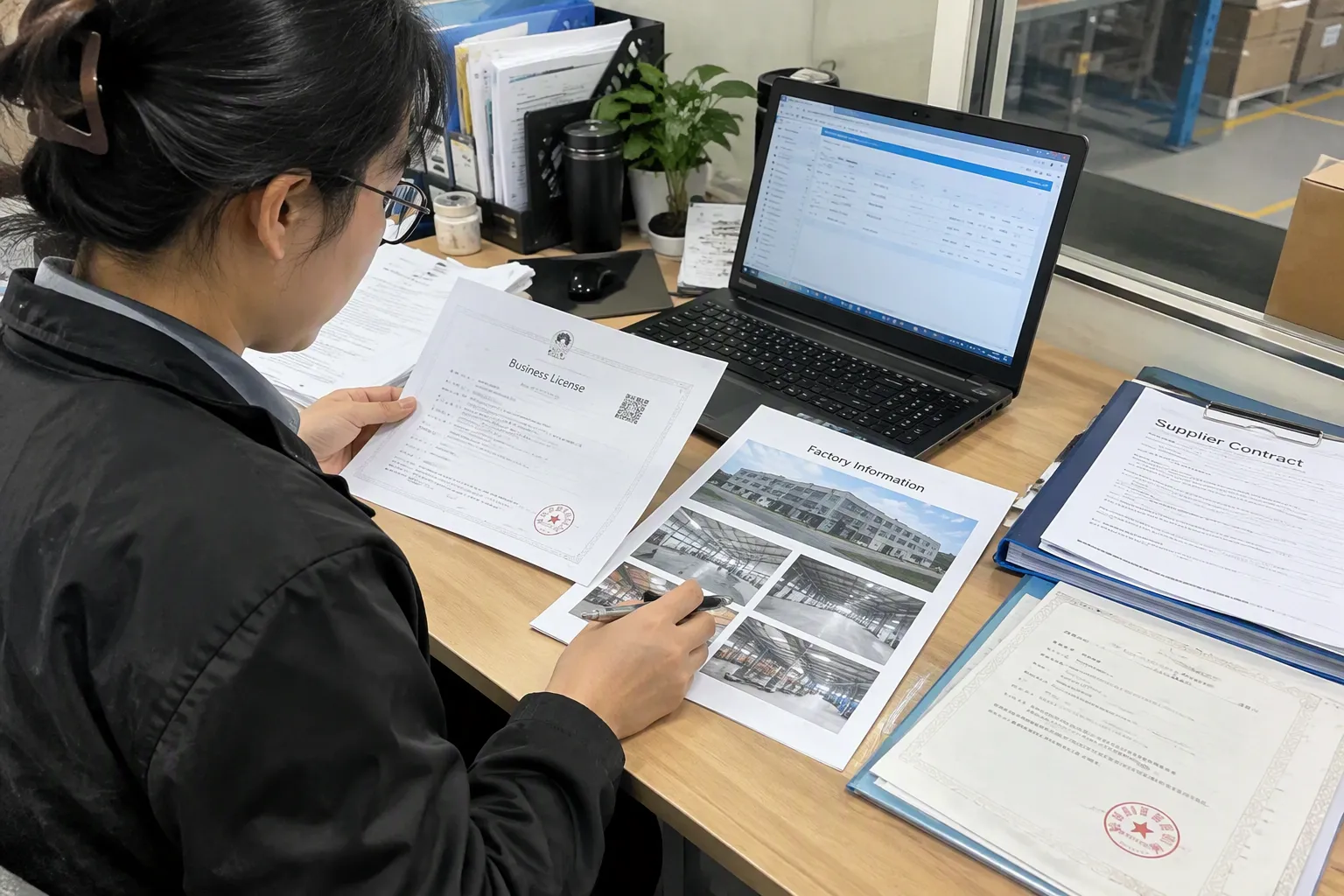
The main value is not simply receiving a list of factories. I see the sourcing agent as a decision layer between the buyer and the supplier. That layer becomes useful when the buyer needs to balance brand presentation, product protection, minimum order quantity, landed cost, production capability, and delivery requirements at the same time.
How Does a Sourcing Agent Help With Custom Packaging?
Custom packaging can look simple from the buyer’s side. A brand may have artwork, a product sample, and a target price. However, the supplier still needs practical answers about construction, materials, finishing, tolerances, packing methods, and shipping. I help connect those details before production begins.
A sourcing agent helps with custom packaging by clarifying the product brief, matching the project with suppliers that can execute the required construction and printing, comparing complete quotations, coordinating samples, checking production details, and arranging quality control. The agent does not replace qualified packaging engineers or laboratory testing, but the agent can reduce avoidable procurement and communication mistakes.[2]
Why Is a Design File Not Enough?
A design file usually shows graphics, colors, logos, and perhaps the outside appearance. It may not show how the package will be manufactured or how it will perform in the buyer’s supply chain.[3] I have seen packaging discussions become slower because the artwork was ready, while the production brief was not.
Before I request comparable quotations, I normally want to clarify questions such as:
- What product will the package hold?
- What are the product’s exact dimensions and weight?
- Will the package be used for retail display, shipping, gifting, or several purposes?
- What material and thickness does the buyer expect?
- Does the package need an insert, divider, sleeve, tray, window, magnet, handle, or special closure?
- Which printing process and surface finish are required?
- Does the buyer need individual barcodes, warning labels, country-of-origin marks, or other information?
- How many units are required for the first order and future orders?
- Will the packaging be shipped flat, assembled, nested, or packed with the product?
- What outer carton dimensions are acceptable for freight and warehouse handling?
These questions do not all have one universal answer. A rigid box, folding carton, corrugated mailer, molded insert, paper bag, and custom pouch have different production considerations. I therefore treat packaging as part of the product and logistics system rather than as a separate decorative item.[4]
How Does an Agent Convert Requirements Into a Production Brief?
I start by separating the buyer’s requirements into categories. This makes missing information easier to identify and gives suppliers the same basis for quotation.
| Brief area | Questions I clarify | Risk if omitted |
|---|---|---|
| Product fit | What are the product dimensions, weight, and shape? | Loose fit, pressure, movement, or damage |
| Construction | How does the package open, close, fold, or assemble? | A design that is difficult or costly to manufacture |
| Material | What board, paper, plastic, fabric, foam, or other material is expected? | Different appearance, strength, weight, or price |
| Printing | Which colors, sides, artwork files, and print method are required? | Incorrect graphics or inconsistent color expectations |
| Finishing | Is there lamination, foil, embossing, varnish, coating, or another finish? | Unexpected setup fees or visual differences |
| Quantity | What is the trial quantity, order quantity, and forecast? | Inappropriate MOQ or inflated unit cost |
| Logistics | How will the empty or filled packaging be stored and shipped? | Excessive volume, freight cost, or warehouse difficulty |
| Quality | Which visual and dimensional points require approval? | Disputes after mass production |
I do not regard this brief as a fixed document that eliminates every uncertainty. It is a working control document. When a supplier asks a question, I add the answer so that the buyer and the factory are discussing the same version.
Why Do Supplier Capabilities Matter More Than Supplier Claims?
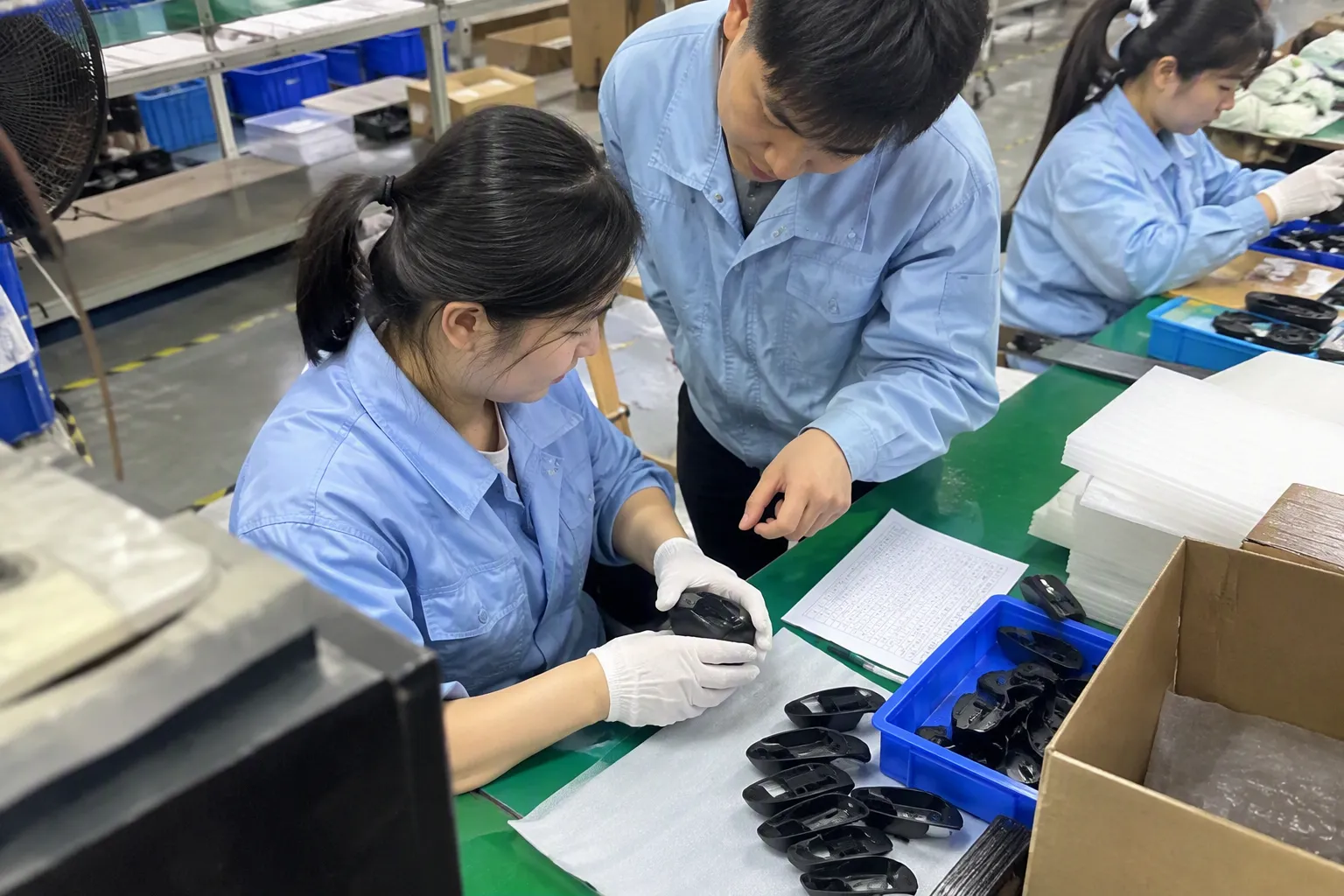
Many factories can produce “custom packaging” in a broad sense. That description does not prove that a factory is suitable for a particular package. I need to understand whether the supplier has relevant equipment, experience, material access, finishing capability, and quality controls for the actual project.
During supplier evaluation, I may review:
- Relevant product experience. A factory that makes simple cartons may not be the best fit for a rigid magnetic box or a package with complex inserts.
- Production process. I ask which steps are completed in-house and which steps are subcontracted.
- Sample quality. A sample can reveal construction accuracy, print quality, finishing consistency, and general attention to detail.
- Tooling and setup. Die cutting, molds, plates, jigs, and other setup requirements can affect both cost and schedule.
- Capacity and order fit. A supplier may be capable but unsuitable for a small trial order or a tight delivery window.
- Communication quality. A supplier that responds clearly to technical questions is easier to coordinate than one that only confirms the headline request.
- Inspection access. I want the quality requirements to be practical to check before shipment.
I do not treat a website, online marketplace profile, or certificate image as conclusive evidence.[5] Buyers should verify company information, facility details, certificates, test reports, and other documents that matter to their application. Where technical performance, food contact, child safety, flammability, recycling claims, or regulatory compliance matters, I recommend evaluation by an appropriately qualified professional and independent testing where necessary.
Why Is the Lowest Packaging Quote Often Misleading?
A low unit price may reflect a different material, a simpler construction, a lower finishing standard, a larger MOQ, or excluded costs.[6] I compare quotations line by line because two prices are not comparable when their assumptions differ.
A packaging quote may include or exclude:
- Product unit price
- Sampling charge
- Artwork or prepress charge
- Die, mold, plate, or tooling charge
- Printing setup
- Special finishing
- Inserts and accessories
- Inner packing
- Export cartons
- Local delivery
- Inspection
- Taxes or other charges
- Freight and shipping coordination
- Waste, replacement, or rework allowances
I also consider the total cost of ownership, not only the factory price. A package with a slightly higher unit price may use less storage space, ship more efficiently, assemble faster, or protect the product better.[7] A cheaper package may create extra labor, higher damage exposure, or a second production run if the specification was misunderstood.
For a simple comparison, I may organize the calculation like this:
| Cost element | Supplier A | Supplier B | Buyer question |
|---|---|---|---|
| Unit packaging price | Quoted | Quoted | Are materials and dimensions identical? |
| Minimum order quantity | Stated | Stated | Can the buyer sell or store the full quantity? |
| Tooling and setup | Included or separate | Included or separate | Is this a one-time or recurring cost? |
| Insert and accessories | Included or separate | Included or separate | Does the package hold the product correctly? |
| Packing volume | Stated or estimated | Stated or estimated | Will carton size affect freight or storage? |
| Sample and approval | Stated | Stated | What exactly will the sample prove? |
| Inspection and delivery | Separate | Separate | Which costs are included in the comparison? |
This comparison does not guarantee the lowest final cost. It gives the buyer a more honest basis for choosing between options.
How Does Sampling Reduce Custom Packaging Risk?
A sample allows me to check whether the supplier understood the brief before the buyer commits to mass production.[8] I prefer to treat the sample as a decision point, not as a formality.
Depending on the project, I may check:
- Overall dimensions
- Product fit and movement
- Opening and closing action
- Insert position
- Fold lines and edge alignment
- Color and print placement
- Surface finish
- Logo size and location
- Label and barcode placement
- Assembly effort
- Empty-packaging storage method
- Filled-package outer dimensions
A digital proof can help confirm artwork and layout, but it may not represent the physical material, texture, rigidity, or construction. A blank structural sample can show fit and folding but cannot confirm printed appearance. A pre-production sample may provide stronger evidence, although the buyer should understand what process and materials were used.
I record approval comments in writing. I also identify which differences are acceptable and which are not. For example, a buyer may accept a minor shade variation within an agreed process tolerance but reject a logo that is visibly misplaced. I do not create technical tolerances without a suitable basis, and I do not describe visual coordination as laboratory validation.
One practical issue I often see is that the buyer approves a sample but does not confirm whether the supplier will use the same material and construction for mass production. I recommend that the final quotation, sample reference, approved artwork, and production specification all point to the same version.
How Can an Agent Control Communication Between Buyer and Factory?
Communication problems often come from reasonable words that mean different things to different people. “Premium,” “thick,” “eco-friendly,” “luxury finish,” and “strong protection” may express a brand goal, but they are not complete manufacturing instructions.
I help convert those goals into questions the factory can answer. For example:
- Instead of “thick board,” I ask which material, grade, or thickness is being proposed.
- Instead of “soft insert,” I ask for the insert material, structure, color, and fit.
- Instead of “matte finish,” I ask which surface treatment is included and how it will be represented in the sample.
- Instead of “shipping safe,” I ask about the package’s intended shipping environment and recommend professional validation when performance is critical.
- Instead of “small quantity,” I ask for the exact quantity and whether the price changes at different order levels.
I also keep a record of quotation revisions. This matters because a price may change after the buyer adds a sleeve, changes the board, requests a new finish, or modifies the order quantity. Without version control, the buyer may approve one option while the supplier manufactures another.
I have found that short written confirmations can prevent long disputes. The confirmation does not need to be complicated. It should state the approved construction, material, artwork version, finish, quantity, packing method, and key inspection points.
What Quality Checks Should Buyers Consider?
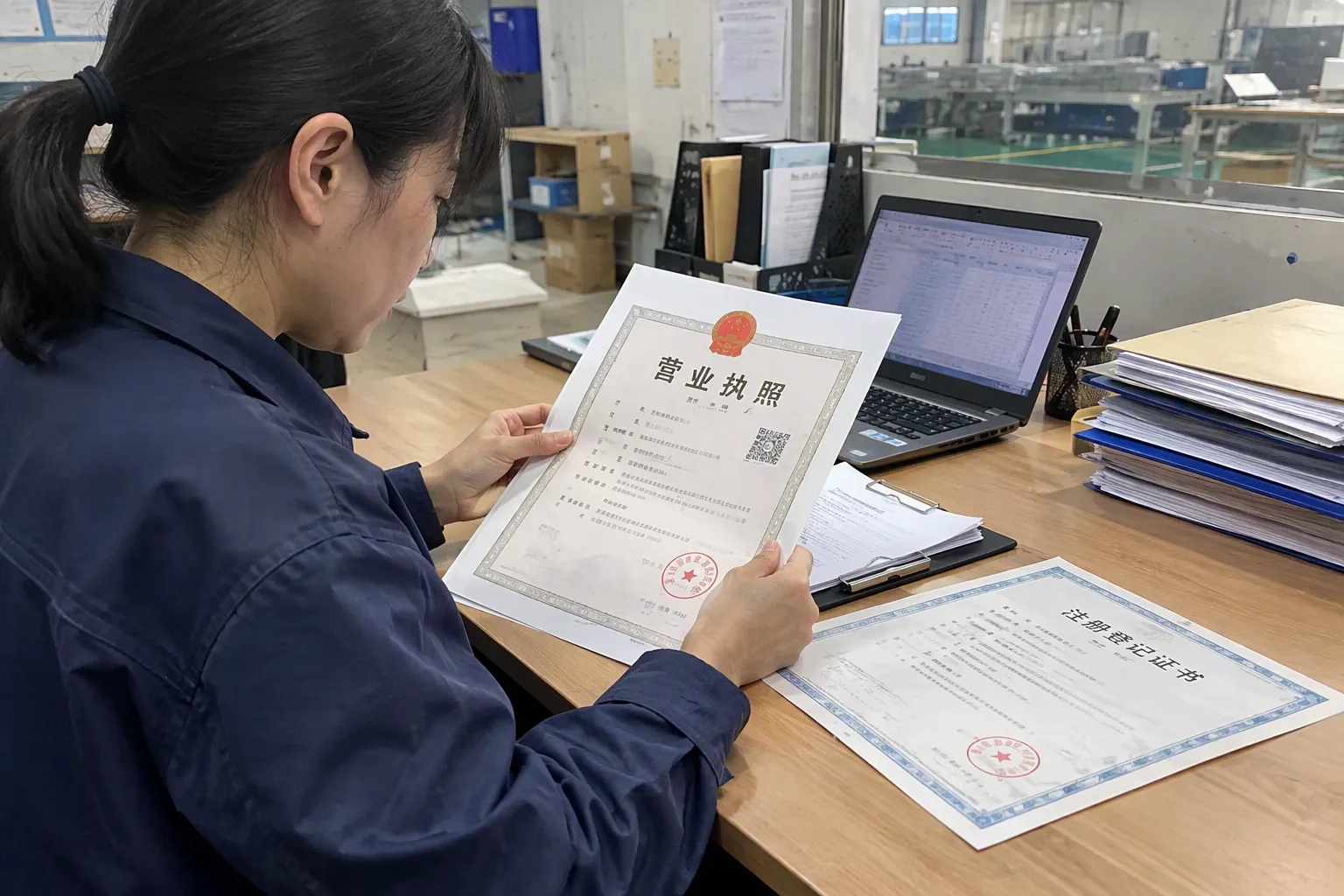
Quality control should reflect the package’s purpose. I do not use the same checklist for a promotional paper bag, an e-commerce mailer, and a rigid gift box. The buyer should decide which defects affect appearance, function, product protection, and customer experience.
A practical inspection plan can include:
Visual checks
- Incorrect or missing artwork
- Printing marks, stains, scratches, dents, or visible glue
- Uneven color or inconsistent finishing
- Poor alignment
- Damaged corners and edges
- Missing labels or accessories
Dimensional checks
- Outside dimensions
- Internal dimensions
- Insert position
- Closure alignment
- Carton dimensions
- Quantity per carton
Functional checks
- Opening and closing
- Folding and assembly
- Product insertion and removal
- Handle or locking strength where relevant
- Fit of accessories and inserts
Packing checks
- Quantity per inner pack
- Quantity per export carton
- Carton markings
- Protection against moisture, crushing, or abrasion as specified
- Shipment labeling and documentation
I can coordinate inspection according to an agreed checklist, but inspection is not a guarantee that packaging will meet every possible use condition. If the package must meet a regulated, mechanical, environmental, or safety requirement, the buyer should define the test method and use a qualified testing provider where appropriate.
When Is a Sourcing Agent Especially Useful?
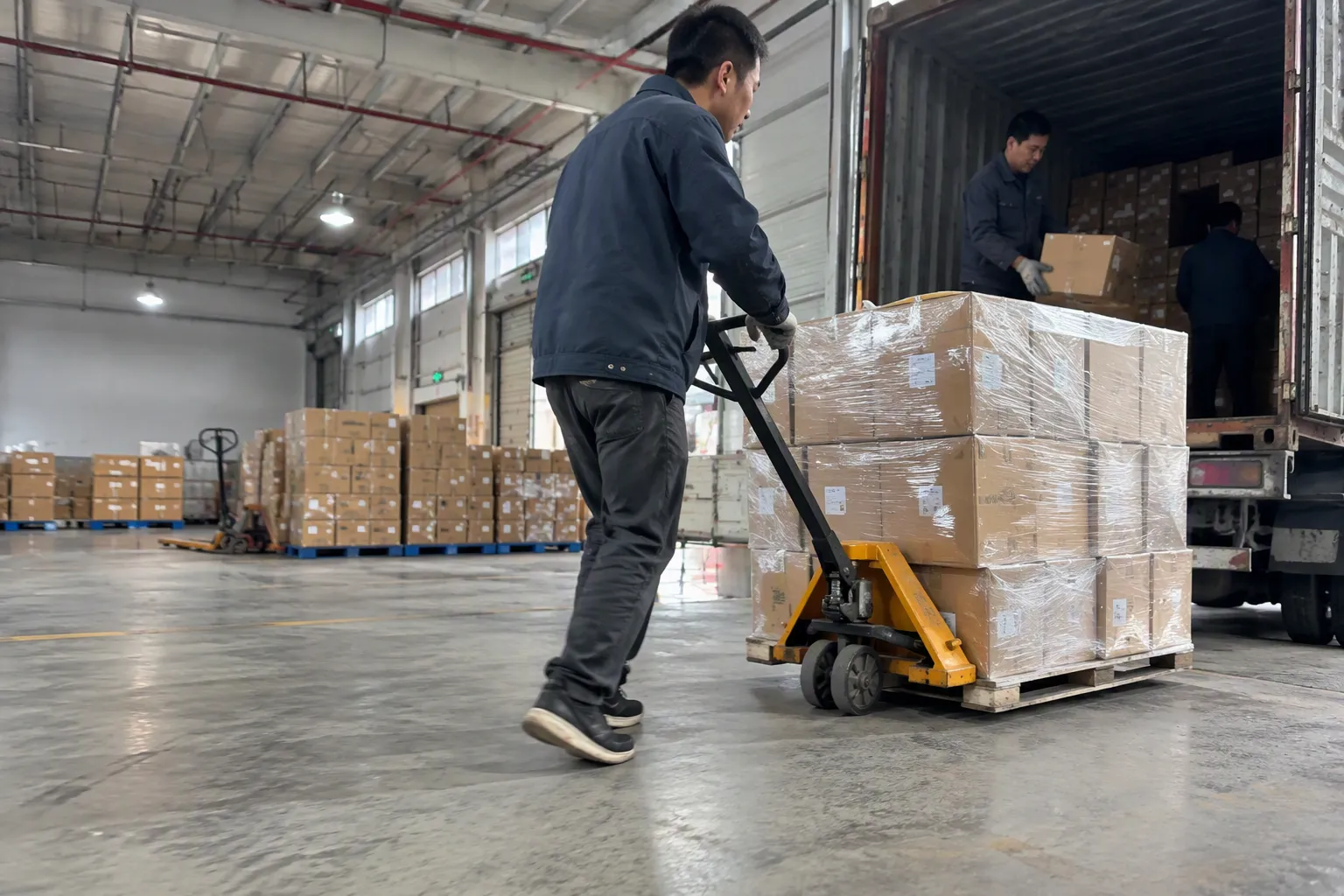
I think an agent is most useful when the buyer faces several connected risks at once. A large multinational company may already have packaging engineers, procurement staff, quality personnel, and a local office. A startup or overseas e-commerce brand may have none of those resources in China.
An agent can be especially useful when:
- The packaging is customized rather than standard.
- The buyer has artwork but no manufacturing specification.
- Several materials or construction options are possible.
- The order includes multiple packaging SKUs.
- The buyer needs to compare factories in different regions.
- The packaging must be coordinated with the product supplier.
- The buyer wants small test quantities before scaling.
- The order requires custom inserts, labels, or retail presentation.
- The buyer needs production follow-up in China.
- Multiple suppliers must be consolidated for export.
- The buyer cannot inspect samples or production locally.
I would not tell every buyer that an agent is necessary. A buyer with a stable supplier, a clear specification, strong factory communication, and an experienced internal team may manage the process directly. The question is whether the agent’s coordination reduces enough risk and workload to justify the cost.
What Should Buyers Ask a Potential Sourcing Agent?
I recommend that buyers evaluate the agent with the same care they apply to packaging suppliers. The agent should explain how it handles specifications, quotations, samples, production changes, quality checks, and accountability.
Useful questions include:
- How will you turn my artwork and product details into a factory-ready brief?
- How many suppliers will you compare, and will the quotations use the same specification?
- How will you check whether a supplier actually has relevant packaging capability?
- Which costs will appear separately from the unit price?
- Who will approve artwork, samples, and production changes?
- What happens if the factory proposes a material or construction substitution?
- What inspection points will you check before shipment?
- How will you manage packaging supplied by more than one factory?
- Which documents, certificates, or test reports can the supplier provide?
- Which decisions require my approval before you proceed?
I also ask how the agent earns money. A transparent service fee or clearly explained commercial structure helps the buyer understand incentives. The agent should not promise that every quotation will be the cheapest or that every production issue can be eliminated. Good sourcing involves informed trade-offs, not absolute guarantees.
Frequently Asked Questions
Can a sourcing agent create my packaging artwork?
A sourcing agent can usually help communicate artwork requirements, check whether files are usable for the proposed process, and coordinate revisions with a supplier or designer. However, I do not assume that sourcing coordination equals professional graphic design, structural packaging engineering, or regulatory review. Buyers should use qualified specialists when those services are required.
Does a sourcing agent always find a lower custom packaging price?
No. A responsible sourcing agent should compare the complete commercial offer rather than promise the lowest unit price. The suitable option may cost more because it uses a different material, better construction, lower risk process, or more appropriate quantity. The goal is a justified purchasing decision, not an artificially low quotation.
What information should I provide before requesting packaging quotes?
I recommend providing product dimensions and weight, intended use, estimated quantity, artwork, preferred materials, target market, finishing expectations, delivery destination, and any known labeling or compliance requirements. If some details are not decided, I would identify them as open choices instead of allowing each supplier to make a different assumption.
Can an agent inspect packaging before shipment?
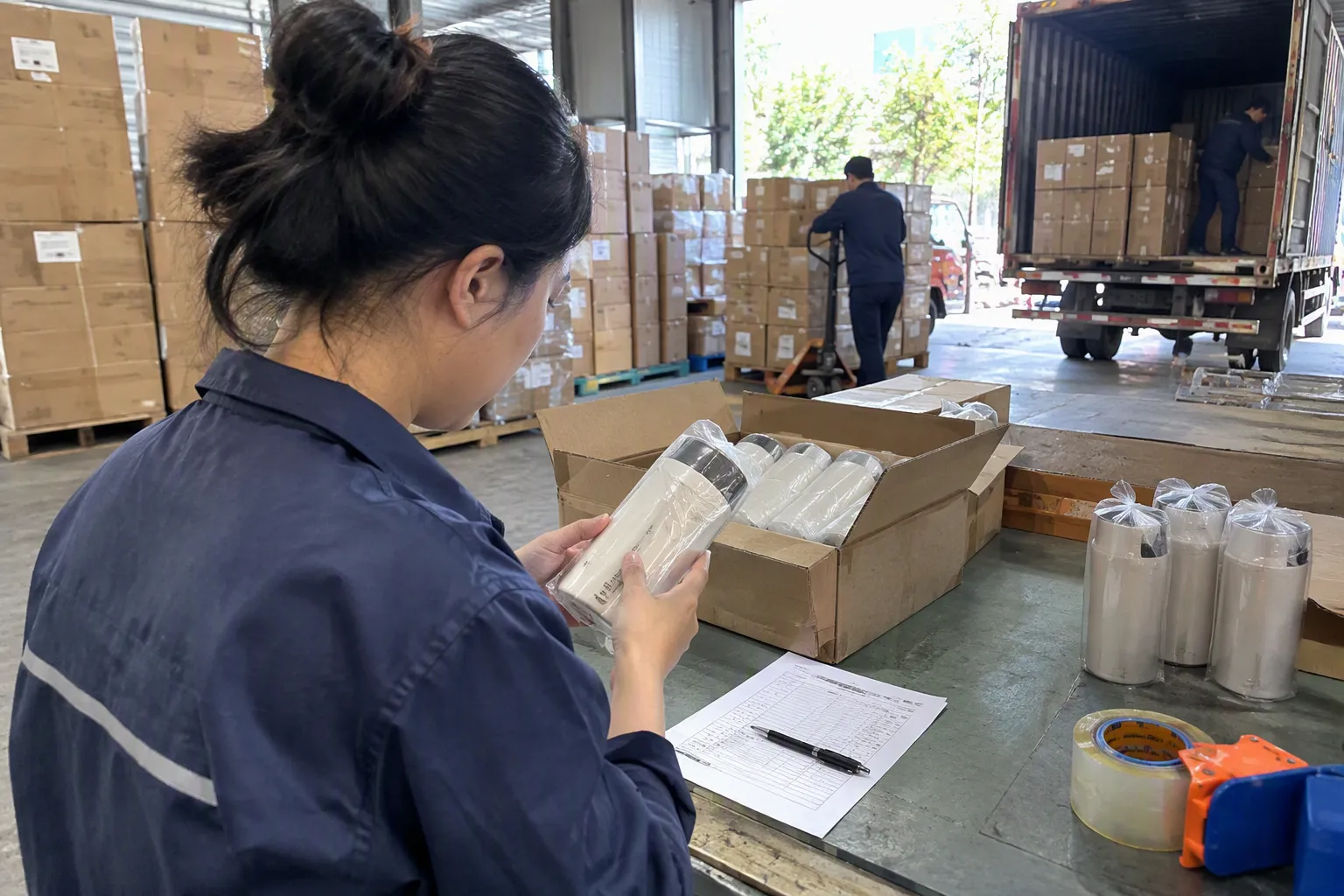
An agent can coordinate or perform agreed visual, dimensional, quantity, packing, and functional checks depending on its process and personnel. The inspection scope should be written before production. Buyers should obtain qualified independent testing when they need validated performance, safety, or regulatory evidence.
Is custom packaging suitable for a small test order?
It can be, but the feasibility depends on the supplier’s MOQ, tooling, setup cost, material availability, and construction. I often recommend asking for several quantity levels and separating one-time costs from recurring costs. A small trial may have a higher unit cost but can help the buyer test presentation and customer response before scaling.
Conclusion
A sourcing agent helps with custom packaging by reducing the gap between a brand idea and a factory-ready production plan. I add value through clearer specifications, comparable quotations, supplier capability checks, sample coordination, documented approvals, and practical quality follow-up. I do not treat sourcing experience as a substitute for packaging engineering or certified testing, and buyers should verify technical claims and documents for their application. If you need help comparing Chinese packaging suppliers or coordinating a multi-step packaging project, contact KingSourcing to discuss your product, quantity, and procurement requirements.
Build Your Private-Label or OEM Product
From concept to delivery, we support private-label and OEM/ODM sourcing in China. Explore private-label sourcing or contact us to start your project.
Related reading: How to Create Custom Packaging in China: Design, Suppliers, MOQ, Samples, and Quality Control
Sources
- a systematic review of risk-based procurement strategies in retail ...", Research on procurement intermediation describes intermediary activities that include translating buyer requirements, evaluating suppliers, coordinating production information, and supporting quality and delivery processes
- Packaging and Labeling Requirements FAQs - NIST", Packaging guidance separates design and performance evaluation from purchasing and supplier coordination, indicating that procurement assistance is not a substitute for engineering assessment or laboratory validation
- Packaging Systems and Design Major - Sustainable Biomaterials", Packaging-development literature distinguishes graphic artwork from structural design, material selection, manufacturability, and distribution-performance requirements; therefore, an artwork file alone may not define production or supply-chain performance
- Packaging, Handling, Storage, and Transportation (PHS&T)", Packaging research treats the package as a component of the logistics system because its design influences protection, handling, storage, transport, and product delivery
- [PDF] Third-Party Programs to Assess Regulatory Compliance - ACUS.gov", Accreditation and conformity-assessment guidance requires verification of a certificate’s issuer, scope, validity, and applicable product or process before treating it as evidence of conformity
- Section 012200, Unit Prices 71-FA-8 - kutztown.edu", Procurement cost-analysis research shows that quoted unit prices are not comparable when specifications, order quantities, setup charges, logistics, or other included costs differ
- Corrugated board packaging with innovative design for enhanced ...", Packaging-logistics studies associate package design with storage and transport utilization, handling requirements, and product-damage exposure, demonstrating why unit price alone may not represent total cost
- [PDF] Development of Functional Rapid Prototyping for the Production of ...", Product-development and manufacturing-quality literature identifies prototypes or first-article samples as intermediate validation steps for detecting specification and construction discrepancies before mass production


