Quick Answer
What to do after paying a deposit to a Chinese supplier is simple in principle but easy to neglect in practice: confirm the order baseline, set production checkpoints, document every update, and act quickly when progress becomes unclear. Passive waiting can turn a manageable delay into a serious purchasing problem[1], especially when you have no local team in China. **After paying a deposit to a Chinese supplier, confirm the payment and order details in writing, agree on production milestones, monitor progress against the promised schedule, and document any changes or delays.
If communication becomes unclear, request a specific corrective plan and escalate the issue before it develops into a larger commercial dispute.**
The deposit starts the execution stage; it does not prove that production is complete or that delivery will happen as planned[2]. I recommend creating a clear post-payment process immediately. The following steps help buyers understand what to confirm, how to follow up, and when to move from ordinary communication to formal escalation.
What Should You Do After Paying a Deposit to a Chinese Supplier?
Many buyers pay the deposit and then wait for the supplier to contact them. That approach can create uncertainty about the production start date, specifications, packaging, balance payment, and shipping plan. I use a written baseline and milestone follow-up process so that both sides can compare actual progress with the agreed order.
The first step after paying a deposit to a Chinese supplier is to confirm that the supplier received the correct amount and understood the exact order. Then I ask for a production schedule, identify the next decision points, and keep all important communication in writing. I do not treat a supplier promise as final proof of progress without checking it against the order details.
Create a written post-payment baseline
A buyer needs one reliable reference point after payment. This reference should not depend on scattered messages, memory, or a quotation that contains incomplete information. I recommend preparing a short order confirmation that records the commercial and production details that matter.
The written baseline should include:
- Supplier legal or trading name, where available
- Purchase order or quotation reference
- Product name and model
- Materials, colors, sizes, functions, and other agreed specifications
- Quantity by SKU
- Unit price and total order value
- Deposit amount and payment date
- Remaining balance terms
- Packaging and labeling requirements
- Sample approval status
- Agreed production-completion date
- Expected inspection timing
- Planned shipping method and destination
- Documents that the supplier must provide before shipment
I also ask the supplier to confirm the deposit receipt directly. A bank payment record shows that funds were sent, but the supplier should confirm how the payment was allocated[3]. This matters when one company has several quotations, purchase orders, or open discussions with the same buyer.
A useful message can be direct:
We confirm that the deposit for Purchase Order [reference] was sent on [date]. Please confirm receipt and confirm that production will follow the attached specifications, quantities, packaging requirements, and agreed completion date. Please also provide the next production milestone and the person responsible for the order.
This message creates a documented starting point. It also gives the supplier an opportunity to correct a misunderstanding before materials are purchased or production begins.
Separate confirmed facts from supplier statements
I find it helpful to divide post-payment information into three categories:
| Information type | Example | Buyer response |
|---|---|---|
| Confirmed document | Payment receipt or approved artwork | Store it with the order records |
| Supplier statement | “Production is almost finished” | Ask what milestone supports the statement |
| Pending point | Final packaging or inspection date | Assign an owner and deadline |
This approach prevents a common mistake. A supplier update may be honest, but it may still be too general to support a purchasing decision[4]. For example, “The factory has started” does not necessarily confirm that all materials are available, that the correct model is being produced, or that the order will finish on the original date.
I do not need to challenge every message. I do need to ask focused questions when an update affects timing, quality, or the remaining payment. Useful questions include:
- Has material purchasing been completed?
- Has assembly or production started for every SKU?
- Which items are complete, and which items remain unfinished?
- Does the current schedule still meet the agreed completion date?
- When can the buyer review samples, photos, videos, or inspection results?
- What issue could affect the shipping date?
Photos and videos can help with remote visibility, but I treat them as supporting evidence rather than conclusive proof[5]. A photograph may show one item instead of the full batch. A video may not show the date, quantity, or exact production order. When the order is important, a qualified third-party inspection or local sourcing representative can provide a more structured assessment[6].
Replace passive waiting with milestone follow-up
I recommend agreeing on checkpoints instead of asking only, “Any update?” A milestone should describe an event that can be confirmed. For example:
- Deposit received and order details confirmed
- Materials purchased
- Pre-production sample approved
- Production started
- A defined percentage or batch completed
- Packaging completed
- Inspection arranged
- Goods ready for dispatch
- Shipping documents prepared
The exact milestones depend on the product and order. A simple repeat purchase may need fewer checkpoints than a customized OEM product. Custom packaging, new molds, electronics, or several SKUs usually require more coordination[7].
A basic follow-up schedule might look like this:
| Stage | What I would confirm | Evidence or output |
|---|---|---|
| Immediately after payment | Deposit receipt and order baseline | Written confirmation |
| Before production | Specifications, artwork, materials, and schedule | Approved documents |
| During production | Actual progress and unresolved issues | Specific update, images, or visit |
| Before balance payment | Quantity, packaging, defects, and readiness | Inspection or agreed verification |
| Before shipment | Carton details, documents, and shipping plan | Packing list and shipment confirmation |
This is not a universal formula. A schedule cannot guarantee supplier performance or eliminate commercial risk. It gives the buyer earlier visibility and creates a chance to respond while options remain open[8].
In my work with overseas buyers, the most useful follow-up messages are short and specific. I avoid sending a long list of repeated questions. Instead, I ask for three or four answers connected to the next decision. For example:
- What is the current completion date?
- Which SKU is behind schedule?
- What action will bring that SKU back into the plan?
- What date will you send the next confirmed update?
I also assign a response deadline when a decision is time-sensitive. “Please update us when possible” creates no clear expectation. “Please confirm the revised production schedule by Wednesday” is more useful and easier to document.
Compare progress with the agreed plan
A supplier’s confirmation should be checked against the order, not accepted in isolation. I compare the current update with:
- The original promised completion date
- The approved sample or specification sheet
- The quantity and SKU breakdown
- The packaging and labeling files
- Previous supplier messages
- Any agreed inspection or balance-payment condition
This comparison often reveals small changes before they become expensive. A supplier may mention a different material, revised packaging, reduced quantity, or later completion date in a casual message. Each change should be clarified and approved in writing before it affects the finished goods.
I recommend keeping a simple status table:
| Item | Original agreement | Latest update | Risk or action |
|---|---|---|---|
| Product specification | Approved version 3 | Supplier refers to version 2 | Reconfirm correct file |
| Quantity | 1,000 units | 950 units shown in update | Ask for explanation |
| Completion | Agreed date | New date proposed | Assess business impact |
| Packaging | Custom printed box | Artwork not confirmed | Approve before printing |
This record helps buyers avoid relying on memory. It also gives a sourcing partner, inspector, freight agent, or professional adviser a clear view of the situation if assistance becomes necessary.
Understand when a delay needs escalation
Not every delay means that a supplier will fail. Factories can face material shortages, production changes, capacity problems, or shipping disruptions. The important question is whether the supplier communicates clearly and offers a credible corrective plan.
I become more concerned when several warning signs appear together:
- The supplier stops answering specific questions
- The promised date changes without an explanation
- The supplier gives repeated vague updates
- The specifications change after payment
- The supplier requests unexpected additional payment
- The supplier refuses reasonable verification
- The supplier cannot identify the current production stage
- Different representatives provide conflicting information
- The supplier pressures the buyer to pay the balance before agreed checks
These signs do not automatically establish fraud or breach. They do justify a more controlled response. I start by writing a factual message that identifies the gap, requests an explanation, and sets a deadline for a corrective plan.
For example:
The original completion date was [date], but the latest update does not confirm when the order will be ready. Please provide the current production status, the reason for the change, the revised completion date, and the action your team will take to reduce the delay. Please reply by [date].
If the supplier responds constructively, I record the revised plan and monitor it. If the supplier does not respond, I send a formal follow-up through the known business contacts and preserve the full communication record. Depending on the agreement, payment method, and applicable local rules, the buyer may also need advice from a qualified legal, banking, insurance, or trade professional. I do not assume that a bank transfer can automatically be reversed or that a deposit can automatically be recovered.
Control the balance payment and shipment stage
The remaining payment deserves its own review. Buyers should not treat the balance as an automatic step merely because the supplier says the goods are ready. The buyer should first compare the payment condition with the purchase agreement and confirm what evidence is required.
Possible checks may include:
- Final product quantity by SKU
- Product appearance and agreed functions
- Packaging and labeling
- Carton count and dimensions
- Shipping marks
- Inspection results, if an inspection was agreed
- Commercial invoice and packing list
- Production photos or video
- Shipment readiness and collection date
The correct verification method depends on the product, order value, and risk profile. A professional inspection company or experienced sourcing representative can be useful when the buyer cannot visit the factory. However, inspection also has a defined scope and should not be presented as a complete guarantee.
I recommend that buyers keep the payment and shipping process separate from emotional pressure. A message such as “Pay today or we will cancel” should be compared with the written agreement and discussed calmly. If the supplier proposes a change, ask for the reason, the commercial effect, and a written amendment. A buyer should obtain jurisdiction-specific professional advice before making a legal or contractual decision.
Use a practical escalation sequence
When a supplier becomes uncooperative, I follow a staged process:
- Clarify the issue. State the missing update, changed term, or delayed milestone.
- Request a specific remedy. Ask for a revised schedule, replacement plan, corrected specification, or other concrete action.
- Set a reasonable response time. The deadline should reflect the urgency and communication channel.
- Document the record. Save quotations, purchase orders, payment records, approved files, inspection documents, and messages.
- Escalate through appropriate contacts. Contact the sales manager, company representative, or other verified business contact.
- Pause new commitments where appropriate. Do not approve new changes or send additional funds without understanding the situation.
- Seek qualified advice. Consider professional legal, banking, insurance, or trade guidance based on the contract, payment route, and jurisdiction.
I do not recommend making accusations before the facts are clear. A factual escalation is more useful than an emotional message. It also makes it easier for another professional to review the matter.
For buyers without a China-based purchasing team, a local sourcing service can manage these steps. KingSourcing, for example, can help with supplier communication, production follow-up, factory coordination, quality inspection, packaging, consolidation, and shipping arrangements. The buyer still needs to approve the product requirements and commercial decisions, but local support can make the execution stage more visible and structured.
Frequently Asked Questions
Should I contact the Chinese supplier immediately after paying the deposit?
Yes. I recommend contacting the supplier promptly to confirm receipt of the deposit, the exact order details, and the expected production-completion date. Early confirmation helps identify differences in specifications, quantities, packaging, or payment terms before production moves too far forward.
How often should I follow up with a Chinese supplier after paying a deposit?
The frequency depends on the product, production cycle, order size, and agreed schedule. I prefer milestone-based follow-up rather than sending the same message every day. The buyer should confirm important stages such as material readiness, production progress, packaging, inspection, and shipment preparation.
What should I do if the supplier stops responding after receiving the deposit?
Send a factual written request that identifies the missing information and sets a clear response deadline. Then contact other verified representatives or managers connected with the supplier. Keep all documents and payment records. Legal, banking, or recovery options depend on the contract, payment method, and jurisdiction, so professional advice may be necessary.
Should I pay the balance before inspecting the goods?
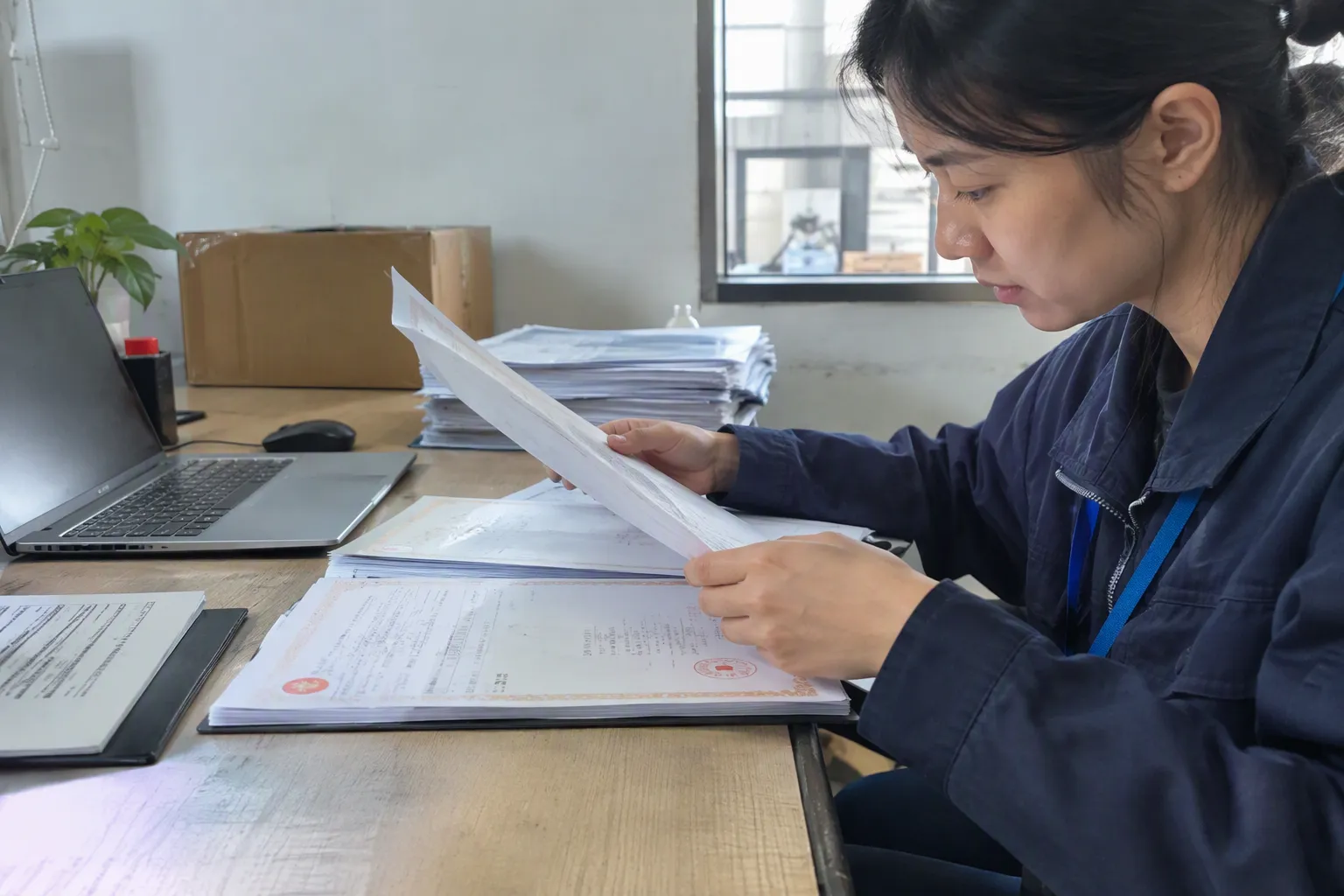
The answer depends on the written agreement and the inspection arrangement. I recommend confirming the quantity, specifications, packaging, and readiness of the goods before making the balance payment when the commercial terms allow it. A qualified inspection provider can help buyers assess agreed criteria, but no inspection removes every purchasing risk.
Can a sourcing agent help after I have already paid the deposit?
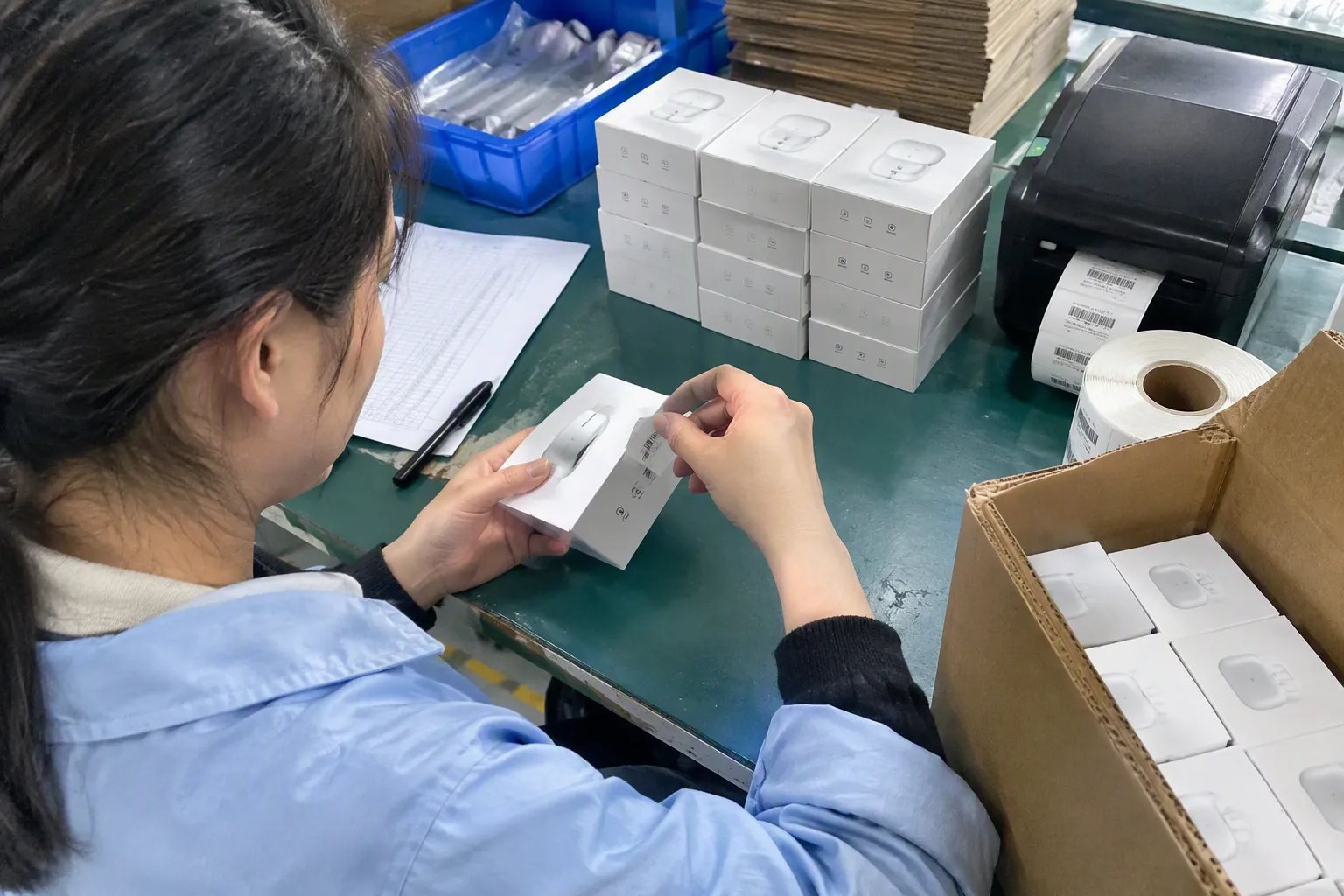
A sourcing agent may help with supplier communication, production follow-up, factory coordination, inspection, documentation, consolidation, and shipping. However, the agent cannot automatically guarantee performance or recover funds. The agent should first review the order documents, payment record, supplier details, and current communication status.
Conclusion
What to do after paying a deposit to a Chinese supplier is mainly a matter of control and documentation. I recommend confirming the deposit receipt, creating a written order baseline, tracking clear production milestones, comparing updates with the agreement, and escalating unclear problems early. Buyers should not treat supplier promises as guarantees, and they should obtain qualified advice for legal, banking, or contractual remedies. If you need local support with supplier follow-up, inspection, consolidation, or shipping, contact KingSourcing to discuss your China purchasing workflow.
Sources
- Research on Risk Management Strategies Under Global ...", Research on supply-chain risk management identifies supplier monitoring and early disruption detection as practices that can improve organizational responsiveness to operational problems
- Subpart 204.76 - SUPPLIER PERFORMANCE RISK ...", Procurement and contracting literature treats advance payment as a financing or commercial term rather than independent evidence that the supplier has completed production or satisfied delivery obligations
- Reconciliations - Procurement Services", Payment-control guidance distinguishes evidence that a transfer was executed from beneficiary-side reconciliation showing which invoice, account, or commercial obligation the funds were applied to
- Managerial Accounting Decision Making: Strategic Guide", Management-control and procurement guidance characterizes decision-useful operational information as information that is relevant to the decision, sufficiently specific, and capable of verification against defined performance criteria
- The Role of Visual Inspection in the 21st Century", Research on remote inspection and auditing reports that photographs and video can supplement operational visibility but may provide incomplete evidence about timing, quantity, representativeness, and conditions not shown
- Conformity Assessment Basics", Conformity-assessment guidance recognizes inspection by competent, sufficiently independent personnel as a structured means of evaluating specified products or processes against defined requirements
- Product variety and manufacturing complexity in assembly ...", Operations-management research associates product customization, tooling requirements, electronics integration, and high product variety with greater planning, coordination, and production-control complexity
- Corrective action – HR Operations - UW Human Resources", Project-control and supply-chain research finds that milestone monitoring and early-warning indicators can reveal deviations sooner, thereby increasing the time available for corrective action