Quick Answer
Before paying a Chinese supplier, I first check whether the company is real, suitable for the product, and able to meet the agreed requirements. Many buyers focus only on price and business registration, but that approach can leave important risks hidden. I reduce those risks by verifying evidence, controlling product specifications, and documenting the transaction before sending money.
Before paying a Chinese supplier, I recommend verifying the supplier’s identity, business capability, product experience, samples, factory information, quotation, payment details, and order requirements. I also recommend recording the agreed specifications, quantities, packaging, delivery schedule, inspection process, and responsibilities in writing. These checks cannot guarantee a successful order, but they give the buyer better control and clearer evidence before payment.
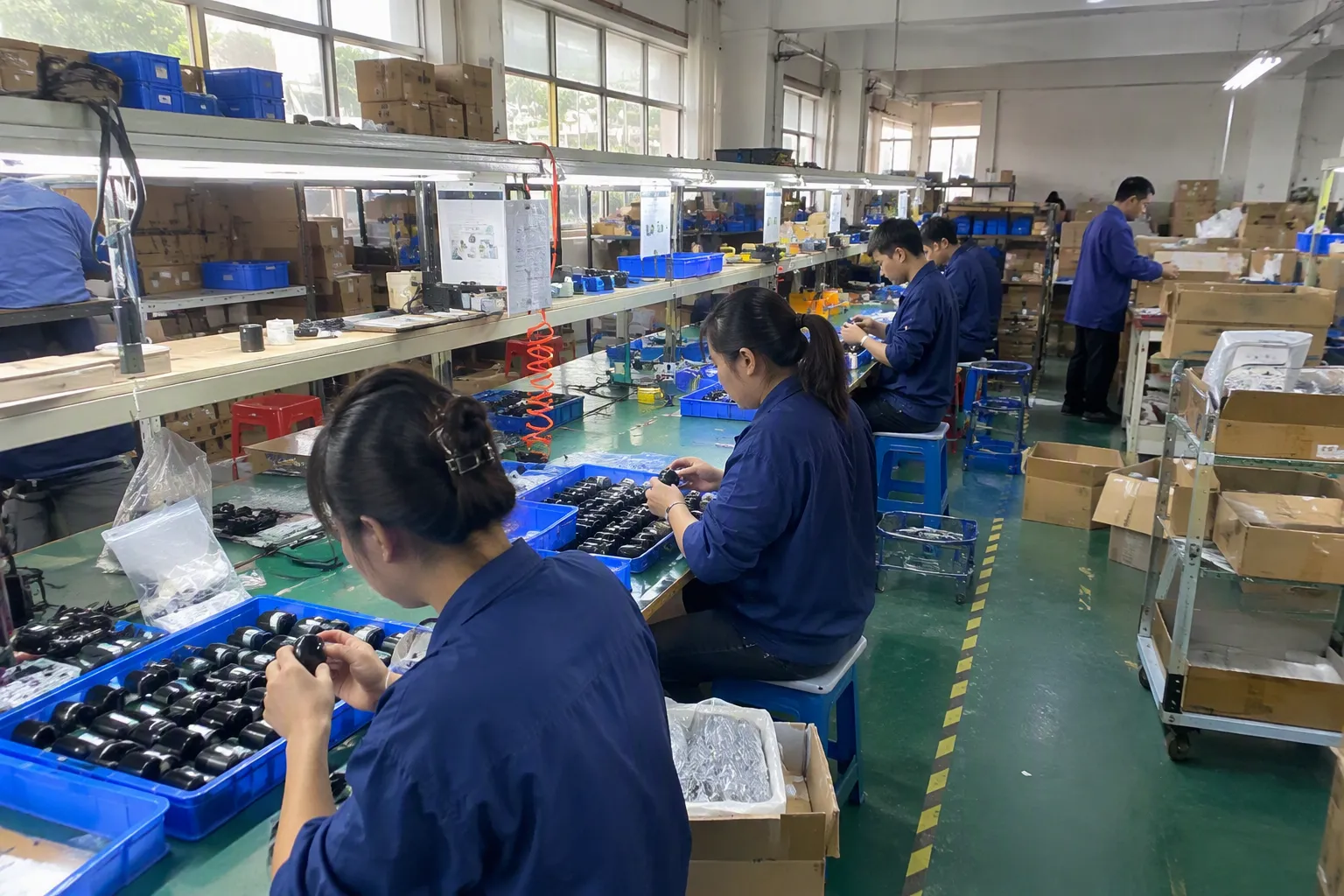
A supplier can genuinely exist and still be unsuitable for a specific order.[2] A trading company can present itself as a factory[3], a sample can differ from mass production, and a quotation can leave important costs or specifications unclear. In my sourcing work, I treat payment as one stage in a wider procurement process, not as the starting point.
What Should I Check Before Paying a Chinese Supplier?
Before paying a Chinese supplier, I check the company identity, product capability, factory or production arrangements, communication, sample, quotation, order documents, and beneficiary bank details. I compare these points instead of trusting a single certificate, platform profile, factory photograph, or sales promise.
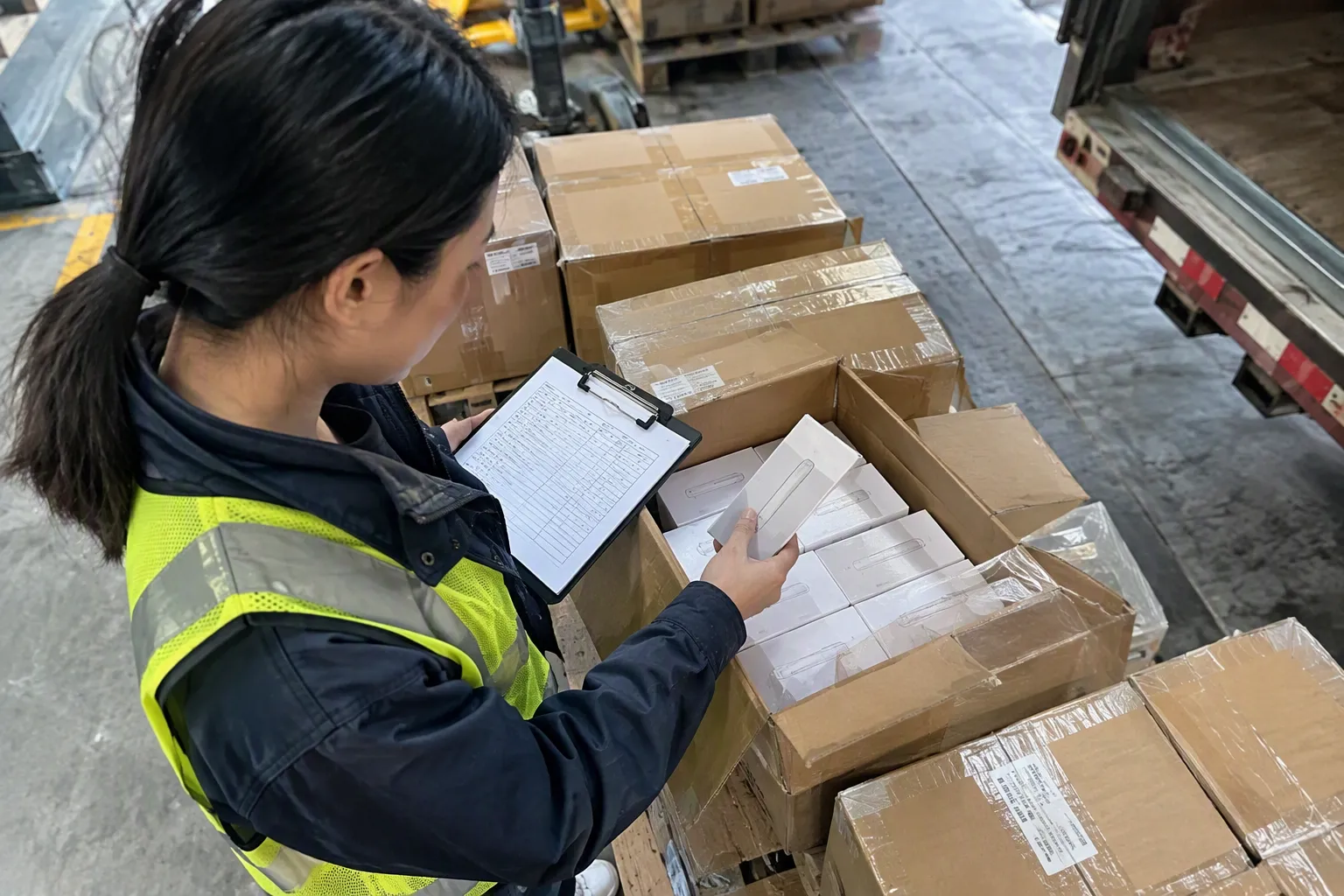
A rushed payment may create problems that become difficult to correct later. The buyer may have limited evidence about what was ordered, who received the money, or which quality standard the supplier accepted. I therefore use a layered review. Each layer answers a different purchasing question.
1. Does the supplier actually exist?
A company registration document can help confirm that a business is registered, but it does not prove that the company manufactures the product I need.[1] I use company information as one evidence point rather than a final conclusion.
I compare the following details:
- Registered company name
- Unified social credit code or equivalent business identifier
- Registered address
- Business scope
- Contact person and company email
- Website and platform information
- Invoice or quotation details
- Bank account beneficiary
- Factory name and operating address, if different
I pay close attention to small differences. A quotation may show one company name while the bank account belongs to another entity. The sales representative may use a brand name that does not match the legal company name. The factory address may also differ from the registered office because some businesses use a sales office, warehouse, or outsourced production site.
A difference does not automatically prove wrongdoing. A trading company may use a separate manufacturing partner, and a group of companies may have different commercial entities. However, I want the supplier to explain the relationship clearly before payment. If the explanation changes between conversations, I treat that inconsistency as a reason for further verification.
2. Is the supplier suitable for this product?
Supplier existence and supplier suitability are separate questions. A registered supplier may sell electronics, household goods, packaging, or promotional products, but that does not mean it has the equipment, experience, or quality controls for my specific item.
I ask what the supplier has produced recently and whether its experience matches the order. I may request:
- Product photographs from completed orders
- A product catalogue with relevant models
- Production process information
- Material or component details
- Examples of packaging and labeling
- Quality control procedures
- Information about subcontracted processes
- References to the supplier’s relevant product category
I do not expect a supplier to reveal confidential customer information. I only need enough practical evidence to judge whether the supplier understands the product and its risks.
For example, a buyer ordering a customized 3C accessory should ask about molds, material selection, firmware or compatibility requirements, packaging, and functional testing. A buyer purchasing a simple promotional product may focus more on printing accuracy, color consistency, packing counts, and delivery schedule. The verification questions should reflect the actual product.
3. Is it a factory, trading company, or a combination?
I do not automatically reject a trading company. A capable trading company may coordinate several factories and help with product development, packaging, inspection, or consolidation. In some cases, this arrangement is useful for a buyer managing multiple SKUs.
The important point is to understand who will perform the work and who will be responsible for the result. I ask:
- Which company will sign the quotation or sales contract?
- Which company will receive the payment?
- Which facility will manufacture the product?
- Which company will handle quality control?
- Who will manage changes during production?
- Who will be responsible if the delivered goods do not match the agreement?
I record these answers in the purchasing file. If production is subcontracted, I want that arrangement to be visible rather than hidden. I may also request a factory video call, an in-person factory visit, or an independent factory audit, depending on order value and risk.
A video call can provide useful observations, but it is not the same as a full audit. A factory can prepare a presentation area, and a video may not show actual production capacity. I use it as supporting evidence, not as proof of every claim.
4. Do the sample and specifications match?
A sample gives me a physical reference, but it is not an automatic guarantee of bulk-production quality.[4] I treat the sample as the beginning of a quality agreement.
Before payment, I document details such as:
- Product dimensions and weight
- Materials and finish
- Color references
- Functions and operating requirements
- Components or accessories
- Logo position and printing method
- Packaging structure
- User instructions and labels
- Tolerances where relevant
- Quantity and packing method
- Acceptance criteria
I also identify which sample represents the final order. If the supplier sends several versions, I label the approved sample with a date, version number, and notes. I keep photographs and written comments. For customized products, I ask the supplier to confirm that the approved sample, artwork, and specification sheet will guide mass production.
This step matters because words such as “high quality,” “strong material,” or “standard packaging” can mean different things to different people. A measurable or visible requirement gives both sides a clearer reference.[5]
For products with electrical, safety, or regulatory implications, I avoid assuming that a supplier’s statement is enough. I ask for relevant technical documents and arrange qualified professional testing or compliance review when the destination market requires it. I do not treat an unverified certificate or test report as a guarantee.
5. Is the quotation complete?
A low unit price may not represent the actual purchasing cost.[6] I examine the quotation line by line and ask the supplier to identify what is included.
| Quotation item | Question I ask |
|---|---|
| Unit price | Does the price depend on quantity, material, or packaging? |
| Tooling or mold | Is a one-time development charge included separately? |
| Sample cost | Does the sample price include customization and shipping? |
| Packaging | Are individual boxes, inserts, labels, and cartons included? |
| Printing | Does the price cover one location or several printing processes? |
| Inspection | Who pays for pre-shipment or production inspection? |
| Shipping | Is freight included, excluded, or estimated separately? |
| Taxes and duties | Which costs depend on the destination and shipping method? |
| Payment fees | Who pays bank charges or transaction fees? |
| Storage | Will the supplier charge for delayed collection? |
I compare quotations on the same basis. One supplier may quote an ex-factory price while another includes export packing or delivery to a forwarder. A direct comparison can be misleading unless I normalize the terms.
I also ask how the price may change. Material costs, exchange rates, packaging changes, and small order quantities can affect the final amount. I prefer to record the circumstances that allow a price adjustment rather than relying on a general promise to keep the price stable.
6. Do the payment details match the supplier?
I check whether the beneficiary name on the payment instruction matches the contracted supplier or an explained affiliated entity. I do not casually send money to a personal account because a salesperson says it is faster.
Before transferring funds, I compare:
- Beneficiary name
- Bank name and location
- Account number
- Company name on the quotation
- Company name on the contract or purchase order
- Email domain used for the payment request
- Any recent change to payment instructions
A last-minute change deserves independent confirmation through a known contact channel.[7] If I normally communicate through one email address and suddenly receive new banking details from another address, I pause the payment and verify the request.
I also keep the payment record, quotation, purchase order, and communication together. Payment evidence can become important for internal accounting, supplier follow-up, inspection planning, and dispute discussions. I do not assume that a payment platform or bank transfer automatically provides complete protection. Available remedies depend on the method, the parties, the transaction terms, and the relevant jurisdictions, so I recommend checking those points with the appropriate financial or legal professional.
7. Is the order documented well enough?
I want a transaction record that another person can understand without reading months of chat messages.[8] The record should identify the product and the responsibilities of both sides.
I normally include:
- Legal supplier name
- Buyer name and billing information
- Product description or model number
- Approved drawings, artwork, or specification sheet
- Quantity and acceptable quantity variation
- Unit price and total price
- Currency and payment schedule
- Sample approval status
- Production lead time
- Expected completion date
- Packaging and labeling requirements
- Inspection arrangements
- Shipping and delivery responsibilities
- Procedure for approved changes
- Documents that the supplier must provide
- Treatment of shortages, defects, or nonconforming goods
The exact document may be a purchase order, sales contract, pro forma invoice, or another written agreement. The form matters less than the clarity and consistency of the information. I ask the supplier to confirm the final version before payment.
8. What should I verify through communication?
Communication reveals more than whether a salesperson replies quickly. I look at whether the supplier understands the product brief and answers specific questions directly.
I usually send a structured list of questions. I observe whether the supplier:
- Answers each point
- Distinguishes confirmed facts from estimates
- Identifies limitations
- Requests missing specifications
- Explains production steps clearly
- Provides consistent information over time
- Records changes accurately
- Escalates technical questions to the right person
A supplier who agrees to every request immediately may appear helpful, but I prefer realistic communication. A responsible supplier should identify a difficult material, uncertain lead time, minimum order constraint, or packaging limitation before production begins.
In my experience, the quality of pre-order communication often affects later production management. If the supplier ignores a specification before payment, I cannot assume that the same requirement will receive careful attention after payment.
9. Should I inspect the factory or order an audit?
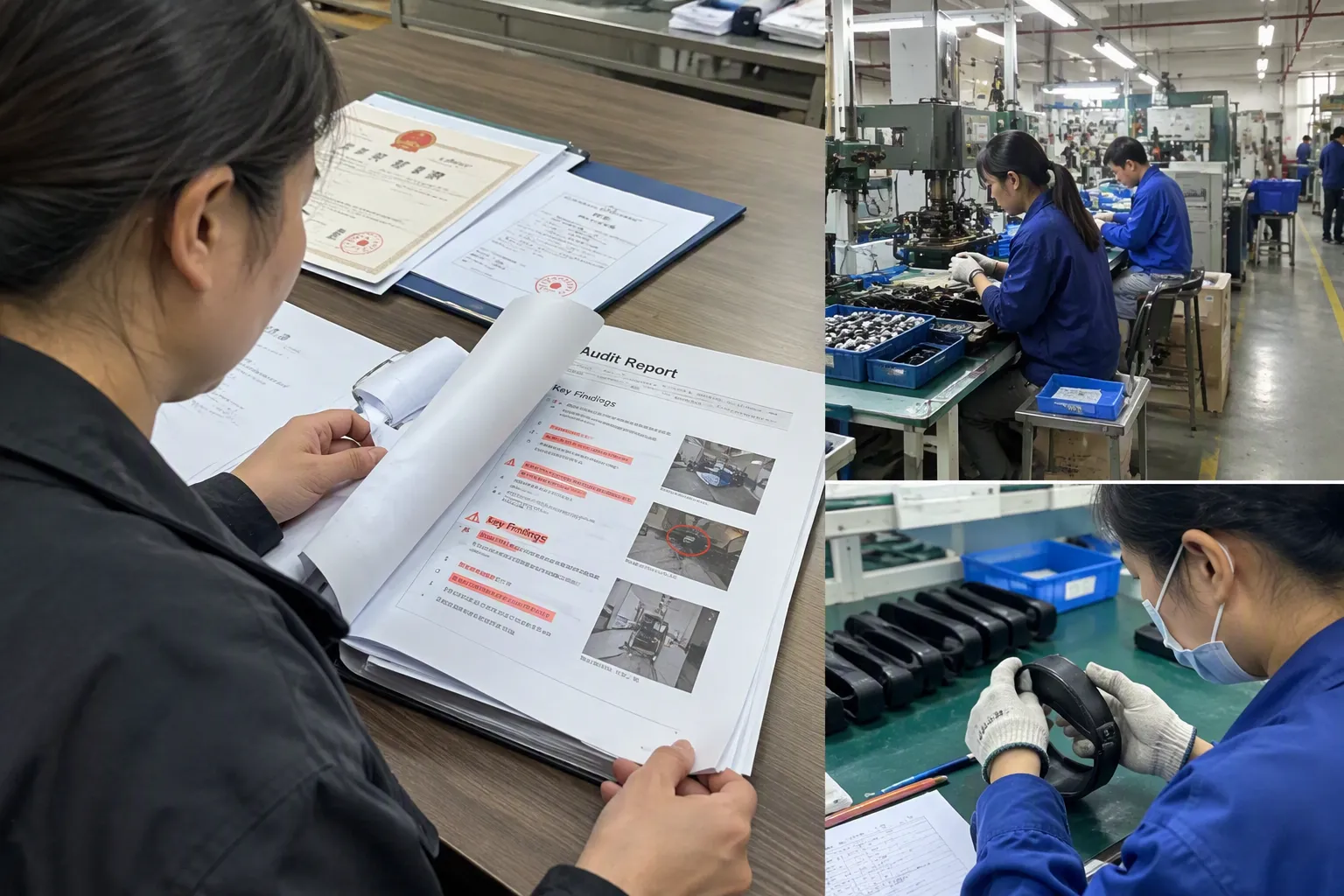
The appropriate level of verification depends on the product, order value, customization, and consequences of failure. A small test order may not justify the same process as a large private-label purchase, but both orders benefit from basic evidence review.
Possible options include:
- Remote video call
- Supplier document review
- Factory visit
- Independent factory audit
- Pre-production inspection
- During-production inspection
- Pre-shipment inspection
- Product testing by a qualified laboratory
- Container loading or quantity check
A factory audit may review company information, production areas, equipment, staffing, quality systems, warehouse conditions, and social or environmental topics within the agreed scope. I do not present an audit as a guarantee. It describes conditions observed at a particular time and should be interpreted alongside the product and transaction requirements.
I choose checks according to risk. For a simple, low-value item, I may prioritize a clear sample and final quantity check. For a customized electronic product, I may need production-stage inspection, functional testing, packaging review, and destination-market compliance evaluation.
10. Should I place a small test order?
A test order can show how the supplier manages a real transaction, but it has limits. A small batch may receive more attention than a large production run. The supplier may also use a different material source, production line, or subcontractor later.
I use a test order to evaluate practical behavior, including:
- Whether the supplier follows the approved specifications
- Whether the production schedule is realistic
- Whether packaging protects the product
- Whether quantities are accurate
- Whether communication remains organized
- Whether the supplier handles corrections professionally
- Whether shipping documents are prepared correctly
I do not treat a successful test order as proof that every future order will succeed. I update the supplier assessment after each purchase and record problems while the details are still clear.
Red flags that require clarification
I avoid dramatic conclusions based on one imperfect detail. However, I do pause when several warning signs appear together. Examples include:
- The beneficiary differs from the contracted company without a clear explanation.
- The supplier refuses to provide basic company information.
- The supplier cannot explain where production will take place.
- The sample does not match the quotation or product description.
- The supplier pressures me to pay immediately.
- The price changes repeatedly without a documented reason.
- The sales representative avoids written confirmation.
- The supplier promises compliance without supplying verifiable documents.
- The supplier gives conflicting information about materials, capacity, or lead time.
- The supplier discourages reasonable inspection or sample approval.
I ask focused follow-up questions and preserve the answers. If the supplier resolves the issue with consistent evidence, I reassess it. If the supplier avoids the question or creates new inconsistencies, I consider another supplier.
A practical pre-payment checklist
Before I authorize payment, I ask myself:
- Do I know the legal entity receiving the money?
- Do I understand whether the supplier is a factory, trading company, or both?
- Does the supplier have relevant experience with this product?
- Have I approved a clearly identified sample or specification?
- Are materials, functions, packaging, and labels documented?
- Have I compared the complete landed-cost assumptions?
- Do the payment instructions match the agreed supplier information?
- Is the production and delivery schedule written down?
- Is there an inspection or acceptance plan?
- Can I explain what evidence I would use if the goods are disputed?
If I cannot answer these questions, I do not consider the order ready for payment. I first close the information gaps or reduce the initial exposure through a smaller, controlled transaction.
Frequently Asked Questions
Is it safe to pay a Chinese supplier in advance?
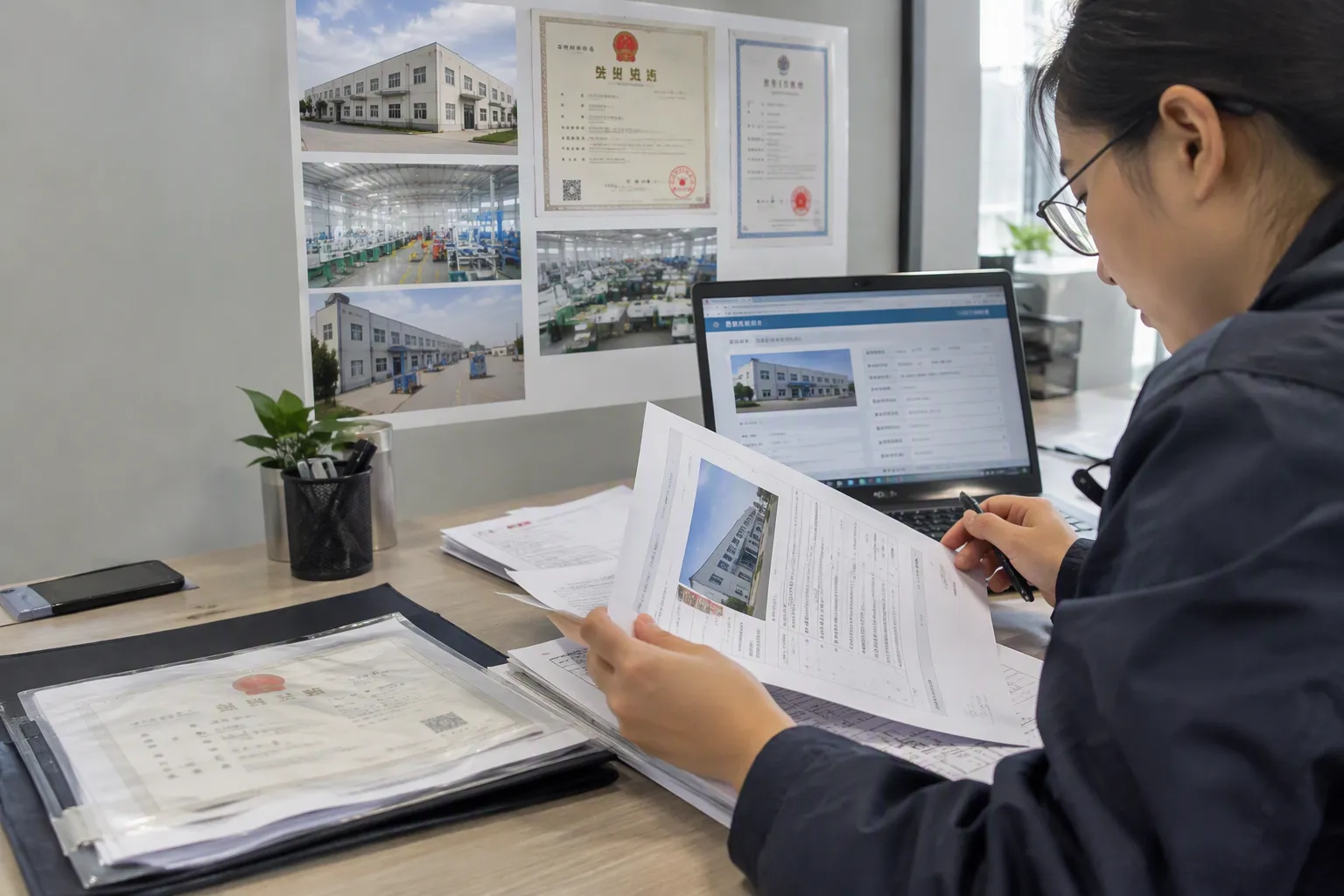
Advance payment is common in international sourcing, but no payment method removes all risk. I assess the supplier, order value, product complexity, documentation, and available controls before paying. I also confirm the beneficiary and record the agreed specifications. Buyers should obtain financial and legal advice for payment structures that carry significant exposure.
How can I verify a Chinese supplier before placing an order?
I compare the supplier’s registered company information, quotation, contact details, product experience, factory information, sample, and bank beneficiary. I ask the supplier to explain any differences. For higher-risk orders, I may use a factory audit, inspection service, product testing, or an in-person visit by a qualified representative.
Does a Chinese business license prove that a supplier is reliable?
No. A business license can support the conclusion that a company is registered, subject to verification, but it does not prove manufacturing capability, product quality, financial strength, or reliable delivery. I use it as one part of a broader supplier verification process.
Is a supplier sample enough to approve mass production?
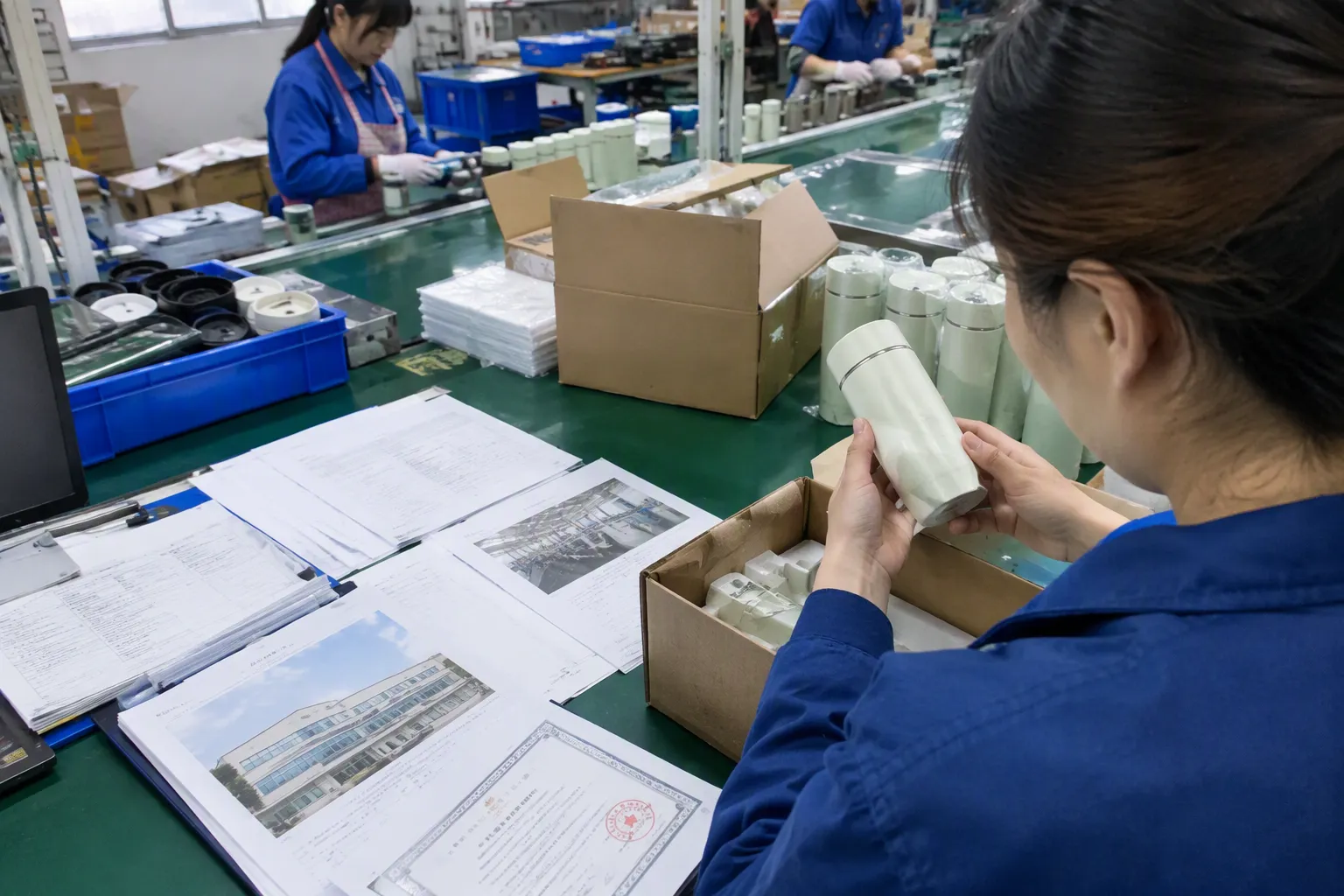
A sample is a useful reference, but it does not automatically guarantee bulk quality. I connect the sample to written specifications covering materials, dimensions, functions, packaging, labeling, and acceptance standards. I may also arrange production or pre-shipment inspection, depending on the product and order risk.
What should I do if the supplier changes its bank details?
I pause payment and verify the change through an established contact channel. I compare the new beneficiary with the supplier’s legal and transaction documents. I do not rely only on the email or message that contains the new instructions, especially when the change is urgent or unexpected.
Conclusion
Before paying a Chinese supplier, I verify more than whether the company appears online or holds a registration document. I check whether the supplier is suitable for my product, whether the sample and specifications are clear, whether the quotation includes the real purchasing costs, and whether the payment details match the agreed transaction. I also document responsibilities and plan appropriate quality checks. KingSourcing can help overseas buyers verify suppliers, compare quotations, manage samples, inspect production, consolidate orders, and coordinate shipping from China.
Sources
- Risk factors in the assessment of suppliers - PMC - NIH", Official business-registration guidance distinguishes legal registration information from independent verification of a company’s operational capacity; registration therefore supports identification of an entity but not proof that it can manufacture a particular product
- Responsible business due diligence and government ...", Research on supplier selection identifies technical capability, quality assurance, delivery performance, and strategic fit as distinct evaluation dimensions, supporting the distinction between a supplier’s existence and suitability for a specific order
- Supply Chain: Supplier Identification & Sourcing", Studies of global supply chains document the use of intermediaries and subcontracted production, indicating that the seller or contracting entity may differ from the facility that manufactures the goods
- Questions and Answers on Current Good Manufacturing ...", Quality-management literature explains that process and input variation can produce differences between an approved reference sample and later production output, so sample approval is a control point rather than conclusive proof of bulk-production conformity
- What is procurement? Definition, Types, Processes & More", Quality-management standards define conformity through specified requirements and acceptance criteria, supporting the use of measurable or observable terms instead of undefined descriptions such as ‘high quality.’
- Description of the International Trade Statistical Program", International trade rules explain that delivery terms allocate freight, insurance, customs clearance, and related costs between buyer and seller, so a unit-price comparison may not represent the total landed cost
- Business Email Compromise: The $55 Billion Scam - IC3", Government fraud guidance identifies altered bank details and urgent payment requests as common business-email-compromise indicators and advises independent verification through a previously trusted communication channel
- Specification Instructions And Definitions", Commercial contracting guidance emphasizes recording material terms and maintaining transaction documentation because clear written records support traceability, performance administration, and evidentiary review